Introduction
Micronutrients are small, yet mighty components of our diet that play a critical role in maintaining overall health and wellbeing. Unlike macronutrients, which include proteins, fats, and carbohydrates, micronutrients are needed in much smaller amounts but are no less important. They include vitamins, minerals, and trace elements, all of which are essential for functions such as immune support, energy production, cognitive health, and tissue repair.
Understanding micronutrients is not just about knowing what vitamins or minerals exist; it’s about knowing how they affect your body, how deficiencies can impact your health, and how to ensure you get the right amounts every day. This essential guide to micronutrients will provide everything you need to know—from the different types and their roles to practical tips for incorporating them into your diet.
By the end of this guide, you’ll have a clear understanding of:
- What micronutrients are and why they are essential.
- The different types of vitamins and minerals your body needs.
- How to prevent deficiencies and recognize early signs.
- Practical strategies to get enough micronutrients from food or supplements.
Whether you’re looking to optimize your diet, improve your energy, or support long-term health, this guide will serve as your go-to resource for micronutrient knowledge and practical tips.
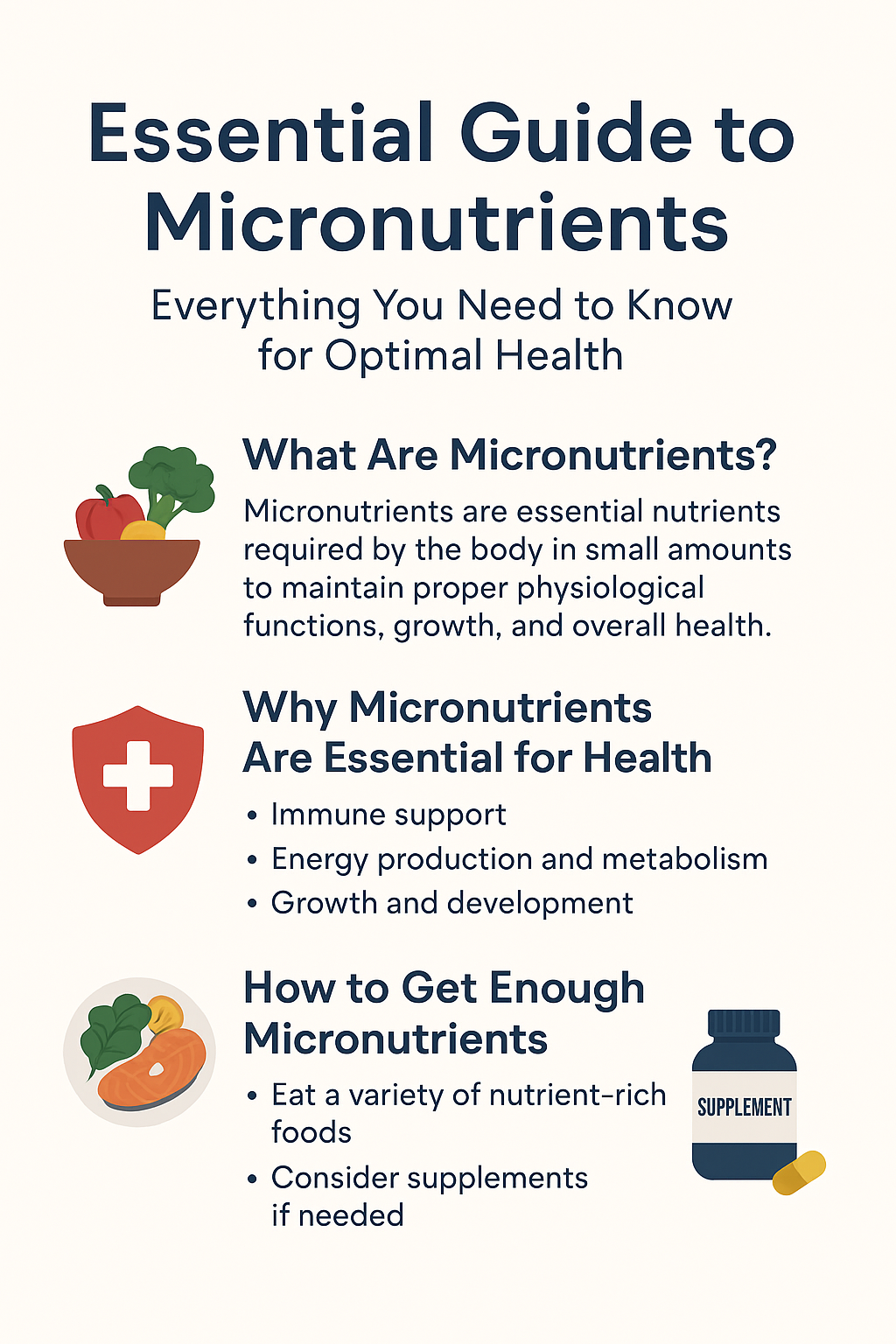
What Are Micronutrients?
Micronutrients are essential nutrients required by the body in small amounts to maintain proper physiological functions, growth, and overall health. Despite being needed in minute quantities compared to macronutrients like proteins or carbohydrates, their impact on the body is profound. Without adequate micronutrients, even a diet sufficient in calories can lead to serious health issues and deficiencies.
Definition and Overview
Micronutrients encompass vitamins and minerals that the body cannot produce in sufficient amounts on its own. They act as cofactors for enzymes, aid in energy metabolism, support the immune system, and contribute to cellular repair and growth. For example, Vitamin C is critical for collagen synthesis, while iron is necessary for carrying oxygen in the blood.
The term “micronutrient” highlights the fact that these nutrients are required in tiny, trace amounts—often just milligrams or micrograms daily—but their absence can lead to significant health problems.
Types of Micronutrients
Micronutrients are broadly categorized into vitamins and minerals:
1. Vitamins:
- Vitamin A: Supports vision, immune function, and skin health.
- B-Complex Vitamins (B1, B2, B3, B5, B6, B7, B9, B12): Vital for energy production, brain function, and red blood cell formation.
- Vitamin C: Powerful antioxidant and immune booster.
- Vitamin D: Supports bone health, calcium absorption, and immune system.
- Vitamin E: Antioxidant that protects cells from damage.
- Vitamin K: Essential for blood clotting and bone health.
2. Minerals:
- Macro Minerals: Needed in larger amounts, including calcium, magnesium, potassium, and sodium.
- Trace Elements: Needed in very small amounts, such as iron, zinc, selenium, iodine, and copper.
Micronutrients also include antioxidants and phytonutrients found in plant foods that support overall health, reduce inflammation, and prevent chronic diseases.
Why They Are Called “Micronutrients”
The prefix “micro” refers to the small quantities required, not their importance. Even though you need them in minute amounts, micronutrients are indispensable for life, making understanding and maintaining adequate intake crucial for optimal health.
Why Micronutrients Are Essential for Health
Micronutrients play a vital role in nearly every physiological process in the human body. While they are required in small amounts, their impact on overall health cannot be overstated. From supporting your immune system to maintaining strong bones and healthy skin, micronutrients are the foundation of wellness.
Role in Body Functions
Micronutrients are involved in numerous bodily functions, including:
- Immune Support: Vitamins A, C, D, and minerals like zinc and selenium are critical for a strong immune system. Deficiency in these nutrients can increase susceptibility to infections.
- Energy Production and Metabolism: B vitamins help convert food into energy, supporting proper metabolic functions. Magnesium and iron are also essential for energy production and oxygen transport.
- Growth and Development: Adequate intake of micronutrients is essential during childhood and adolescence for bone growth, brain development, and tissue repair.
- Brain Function: Nutrients like omega-3 fatty acids, B12, and iron support cognitive health, memory, and concentration.
- Skin, Hair, and Nail Health: Vitamins like A, C, and E, along with minerals like zinc, help maintain healthy skin and promote hair and nail strength.
Health Risks of Micronutrient Deficiency
Lack of essential micronutrients can lead to both short-term symptoms and long-term health problems. Common consequences include:
- Fatigue and Weakness: Iron deficiency is a leading cause of anemia, resulting in extreme tiredness.
- Immune System Dysfunction: Insufficient vitamin C, vitamin D, or zinc can increase the risk of infections.
- Bone Weakness: Lack of calcium and vitamin D can lead to osteoporosis and increased fracture risk.
- Cognitive Impairments: Deficiencies in B vitamins and iron can affect memory, concentration, and mood.
- Other Conditions: Iodine deficiency can cause thyroid issues, while selenium deficiency can affect heart health.
Case Study:
According to the World Health Organization (WHO), iron deficiency is the most common micronutrient deficiency worldwide, affecting over 2 billion people. It highlights how even small nutrient gaps can have widespread health consequences.
Ensuring an adequate intake of micronutrients is therefore not just a dietary concern—it is critical for preventing disease, promoting longevity, and supporting optimal physical and mental performance.
How to Get Enough Micronutrients
Ensuring you get adequate micronutrients every day is essential for maintaining optimal health. While deficiencies can cause serious health issues, the good news is that most micronutrients can be obtained through a balanced diet, with supplementation only needed in certain cases.
Food Sources of Micronutrients
A nutrient-rich diet is the best way to meet your daily micronutrient needs. Different foods provide different vitamins and minerals, so diversity is key. Here are the main sources:
- Fruits and Vegetables: Rich in vitamins C, A, K, folate, and antioxidants. Examples include oranges, berries, spinach, carrots, and bell peppers.
- Whole Grains: Provide B-complex vitamins, magnesium, and selenium. Brown rice, oats, and quinoa are excellent choices.
- Dairy and Fortified Foods: High in calcium, vitamin D, and phosphorus. Yogurt, milk, and fortified plant-based milks are great options.
- Nuts and Seeds: Contain vitamin E, magnesium, zinc, and healthy fats. Almonds, walnuts, chia seeds, and sunflower seeds are top picks.
- Meat, Fish, and Eggs: Provide iron, B12, selenium, and omega-3 fatty acids. Include lean meats, salmon, and eggs regularly.
Tip:
Combining foods can improve nutrient absorption. For example, pairing iron-rich plant foods with vitamin C-rich foods (like spinach with lemon juice) enhances iron uptake.
Micronutrient Supplements: Are They Necessary?
While most micronutrients should come from whole foods, supplements can help in certain situations:
- Pregnancy: Folic acid, iron, and DHA supplements are often recommended.
- Vegetarian or Vegan Diets: Vitamin B12, iron, and omega-3 supplements may be needed.
- Deficiencies Diagnosed by a Doctor: Supplements can correct low levels of vitamin D, calcium, or iron.
Caution: Over-supplementation can be harmful. For instance, excess vitamin A can be toxic, and too much iron can damage organs. Always consult a healthcare professional before starting supplements.
Practical Strategies to Boost Micronutrient Intake
- Eat a colorful plate: Include a variety of fruits and vegetables to cover multiple vitamins and minerals.
- Include fortified foods: Look for cereals, plant milks, or breads enriched with essential nutrients.
- Cook wisely: Some vitamins, like vitamin C, are sensitive to heat, so lightly steaming vegetables helps retain nutrients.
- Track your diet: Use apps or food diaries to ensure you meet daily requirements.
By focusing on a diverse and balanced diet, you can naturally meet most micronutrient needs and reduce the risk of deficiencies. Supplements should complement—not replace—a healthy diet.
Micronutrients for Specific Life Stages
Micronutrient needs vary depending on age, lifestyle, and physiological changes. Understanding these differences ensures that each stage of life receives the nutrients necessary for optimal growth, development, and health.
Children and Adolescents
During childhood and adolescence, the body undergoes rapid growth and brain development. Key micronutrients during these stages include:
- Calcium and Vitamin D: Essential for strong bones and teeth.
- Iron: Supports growth, cognitive development, and energy levels.
- Vitamin A: Important for vision, immune function, and cell growth.
- B Vitamins: Aid metabolism and energy production.
Tip: Encourage children to eat a variety of colorful fruits, vegetables, whole grains, and dairy to naturally meet their micronutrient needs.
Adults
For adults, the focus shifts to maintaining energy, supporting immunity, and preventing chronic diseases. Important micronutrients include:
- Magnesium and Potassium: Support heart health and muscle function.
- Vitamin C and Zinc: Help maintain a strong immune system.
- Omega-3 Fatty Acids: Promote brain and heart health.
Balanced diets rich in fruits, vegetables, lean proteins, nuts, and whole grains can help adults meet these requirements.
Pregnant and Breastfeeding Women
Pregnancy and lactation increase the demand for certain micronutrients to support both mother and child. Key nutrients include:
- Folic Acid: Prevents neural tube defects in the developing baby.
- Iron: Supports increased blood volume and prevents anemia.
- Calcium and Vitamin D: Crucial for fetal bone development.
- DHA and Omega-3s: Support brain and eye development in infants.
Tip: Prenatal vitamins can help fill gaps in a mother’s diet, but whole foods should remain the primary source of nutrients.
Seniors
As we age, absorption of some micronutrients decreases, making intake particularly important for seniors:
- Calcium and Vitamin D: Prevent bone loss and osteoporosis.
- Vitamin B12: Absorption decreases with age, leading to potential cognitive decline.
- Magnesium and Zinc: Support immune health, heart function, and metabolism.
Encouraging nutrient-dense foods, fortified products, and regular check-ups can help seniors maintain adequate micronutrient levels.
Signs You Might Be Lacking Micronutrients
Recognizing the early signs of micronutrient deficiencies is crucial for maintaining long-term health. Since these nutrients are involved in nearly every bodily function, even minor deficiencies can manifest in noticeable physical, cognitive, or emotional symptoms.
Physical Signs of Deficiency
- Fatigue and Weakness: Often caused by iron, vitamin B12, or magnesium deficiency. Low energy is one of the most common indicators.
- Hair, Skin, and Nail Problems: Brittle nails, hair loss, and dry or inflamed skin can result from deficiencies in biotin, zinc, and vitamin E.
- Frequent Illnesses: Weak immunity due to low vitamin C, vitamin D, or zinc increases susceptibility to colds and infections.
- Bone and Muscle Issues: Calcium, vitamin D, and magnesium deficiencies can cause bone weakness, cramps, or muscle spasms.
Cognitive and Emotional Signs
- Poor Concentration and Memory: B-complex vitamins, iron, and omega-3 fatty acids are critical for brain health.
- Mood Swings or Depression: Low levels of vitamin D, magnesium, or B12 can negatively impact mood and mental health.
When to See a Doctor
Persistent symptoms may indicate a significant deficiency. A healthcare professional can:
- Conduct blood tests to identify nutrient gaps.
- Recommend dietary changes or supplements.
- Monitor recovery to prevent long-term health issues.
Quick Checklist:
| Symptom | Possible Deficiency |
|---|---|
| Fatigue | Iron, B12, Magnesium |
| Hair loss | Biotin, Zinc, Vitamin E |
| Bone pain | Calcium, Vitamin D |
| Poor immunity | Vitamin C, Zinc, Selenium |
| Mood swings | Vitamin D, Magnesium, B12 |
Recognizing these warning signs early allows for prompt intervention, preventing more serious health complications and ensuring your body receives the micronutrients it needs for optimal performance.
How to Incorporate Micronutrients Into Your Daily Routine
Getting enough micronutrients doesn’t have to be complicated. With strategic planning and smart food choices, you can easily meet your daily requirements and maintain optimal health.
Meal Planning Tips
- Combine Foods for Better Absorption: Certain nutrients are better absorbed when eaten together. For example:
- Iron + Vitamin C: Spinach with bell peppers or lentils with citrus fruits.
- Calcium + Vitamin D: Dairy products exposed to sunlight or fortified with vitamin D.
- Colorful Plate Method: Aim to fill half your plate with colorful fruits and vegetables, each color representing different vitamins, minerals, and antioxidants.
- Include Protein-Rich Foods: Meat, eggs, beans, and legumes are excellent sources of B vitamins, iron, and zinc.
Tracking Your Micronutrient Intake
Monitoring what you eat can help ensure you’re meeting your micronutrient goals:
- Use Nutrition Apps: Tools like MyFitnessPal or Cronometer allow you to track vitamins and minerals easily.
- Food Diaries: Keep a simple log of meals and snacks to identify patterns and nutrient gaps.
- Regular Check-Ups: Blood tests can confirm whether you are meeting micronutrient needs or require adjustments.
Practical Daily Habits
- Start the Day with Nutrient-Dense Foods: Oatmeal with fruit, nuts, or seeds provides a variety of micronutrients.
- Snack Smart: Choose nuts, yogurt, or fresh fruits over processed snacks.
- Cook Wisely: Steaming, sautéing, or lightly boiling vegetables preserves vitamins better than overcooking.
- Rotate Foods Weekly: Avoid relying on the same foods; variety ensures a broader spectrum of micronutrients.
By integrating these simple strategies into daily life, getting the right amount of micronutrients becomes manageable and sustainable. A consistent, balanced approach ensures your body gets the nutrients it needs to function optimally.
Micronutrients Myths and Misconceptions
There is a lot of conflicting information about micronutrients, which can make it confusing to know what to eat or supplement. Understanding the facts versus myths helps you make informed decisions for your health.
Myth 1: More Micronutrients Are Always Better
Many people believe that taking extra vitamins or minerals will automatically improve health. Reality: Over-supplementation can be harmful. For example:
- Too much vitamin A can cause liver damage.
- Excess iron can lead to organ damage.
- High doses of calcium may increase the risk of kidney stones.
Myth 2: Supplements Can Replace a Healthy Diet
While supplements can help fill gaps, they cannot replicate the benefits of whole foods. Foods provide a combination of fiber, antioxidants, and phytonutrients that work synergistically, which supplements alone cannot match.
Myth 3: Only Sick People Need Micronutrients
Even healthy individuals require adequate micronutrients for daily energy, immune support, and disease prevention. Deficiencies can develop gradually, often without obvious symptoms at first.
Myth 4: Plant-Based Diets Cannot Provide Enough Micronutrients
A well-planned vegetarian or vegan diet can meet most micronutrient needs, though attention is needed for nutrients like vitamin B12, iron, iodine, and omega-3s. Fortified foods and supplements can help fill gaps when necessary.
Myth 5: Micronutrients Work Instantly
Micronutrients support long-term health. They don’t provide immediate energy or healing. Consistency over weeks and months is key for noticeable benefits.
Frequently Asked Questions (FAQs) About Micronutrients
This section answers the most common questions people have about micronutrients, providing clear and actionable guidance.
1. What Is the Difference Between Vitamins and Minerals?
- Vitamins are organic compounds that are primarily obtained from plant and animal foods. They assist in metabolic processes and act as antioxidants. Examples include vitamin A, C, D, and E.
- Minerals are inorganic elements found in soil and water, absorbed by plants or animals. They support structural functions (like bones) and physiological processes (like nerve signaling). Examples include calcium, iron, and magnesium.
2. How Do I Know If I Have a Micronutrient Deficiency?
- Look for common signs: fatigue, poor immunity, hair or nail issues, mood swings, or cognitive difficulties.
- Blood tests can confirm specific deficiencies, such as low iron, vitamin D, or B12 levels.
- Consulting a healthcare professional is the safest way to identify and correct deficiencies.
3. Can I Get All Micronutrients from Diet Alone?
- For most healthy adults, a diverse and balanced diet can provide sufficient micronutrients.
- Exceptions include specific life stages (pregnancy, aging) or dietary restrictions (veganism), which may require supplementation.
4. Are Multivitamins Necessary?
- Multivitamins can help fill minor gaps but should not replace whole foods.
- They are most useful for people with limited dietary variety, certain medical conditions, or increased nutrient needs.
5. What Are the Best Natural Sources of Essential Micronutrients?
- Fruits and Vegetables: Vitamins A, C, K, folate, antioxidants
- Whole Grains: B-complex vitamins, magnesium, selenium
- Nuts and Seeds: Vitamin E, zinc, healthy fats
- Dairy and Fortified Foods: Calcium, vitamin D
- Meat, Fish, Eggs: Iron, B12, omega-3 fatty acids
Conclusion
Micronutrients may be required in small amounts, but their impact on health is enormous. This essential guide to micronutrients has shown how vitamins, minerals, and trace elements support immunity, energy production, brain function, growth, and overall wellbeing.
Key takeaways include:
- Diverse Diet Is Key: Fruits, vegetables, whole grains, nuts, seeds, dairy, and lean proteins provide the majority of essential micronutrients.
- Deficiency Signs Matter: Fatigue, poor immunity, hair loss, and mood changes may indicate a nutrient gap.
- Supplements Are Secondary: Whole foods should always be the primary source of micronutrients; supplements can help fill specific gaps.
- Life Stage Considerations: Children, adults, pregnant women, and seniors have unique nutrient requirements that must be met for optimal health.
- Consistency Over Time: Micronutrients support long-term health; daily balanced intake is more important than occasional supplementation.
By focusing on variety, balance, and awareness of nutrient needs, you can naturally meet your micronutrient requirements, prevent deficiencies, and support lifelong health. Start planning colorful, nutrient-rich meals today to give your body the essential building blocks it needs.
Remember: Small nutrients can make a big difference. Prioritize micronutrients, and your body will thank you with energy, immunity, and resilience.