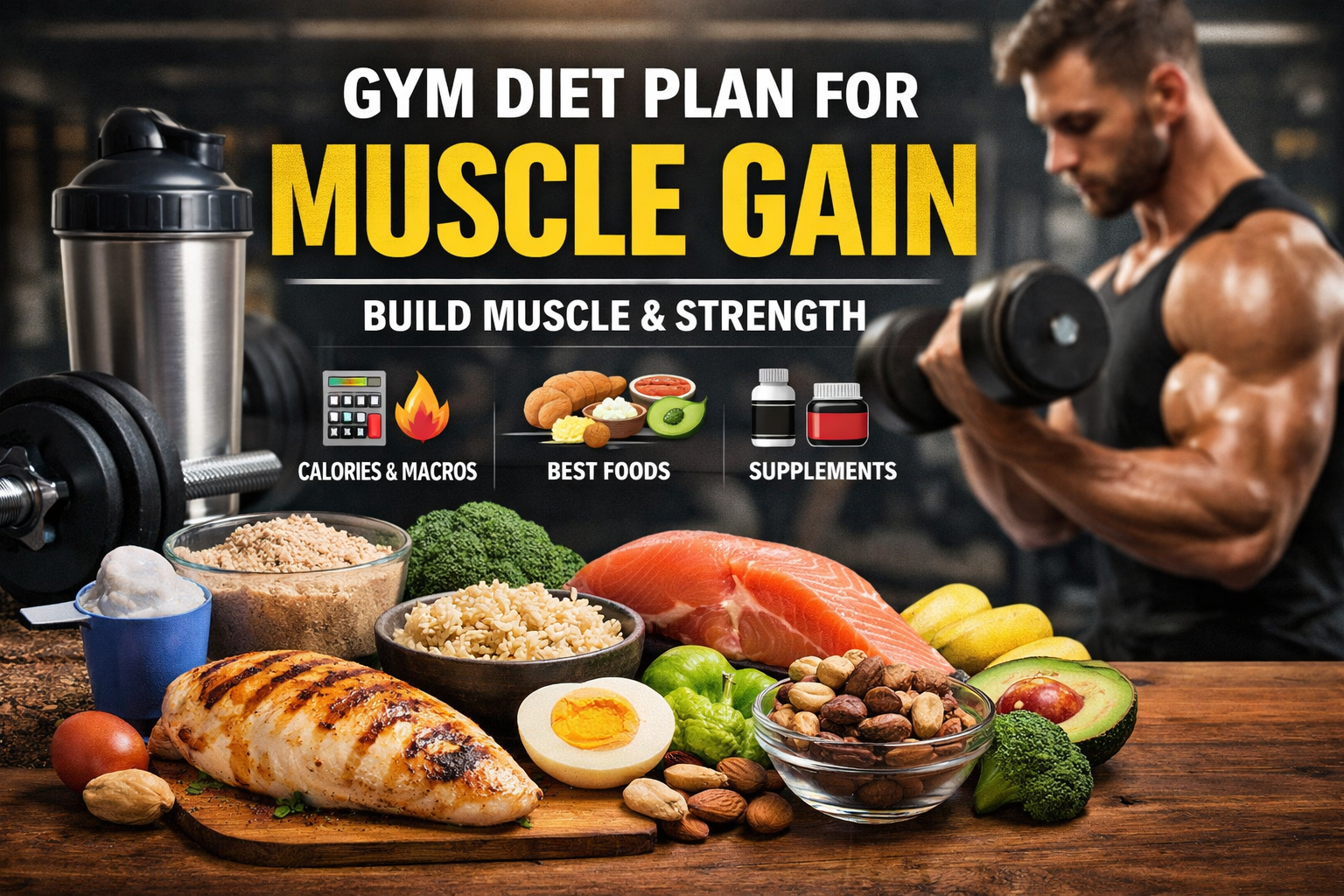
Building muscle is not just about lifting heavy weights; nutrition plays a critical role in maximizing muscle growth. Without the right diet, even the most intense gym sessions may not yield the results you’re aiming for. A structured gym diet plan for muscle gain ensures that your body receives the fuel it needs to repair, recover, and grow stronger.
In this guide, we’ll cover everything from macronutrients, calorie needs, best foods, meal timing, and supplements to common mistakes and sample meal plans. By the end, you’ll have a complete blueprint to build muscle effectively through diet.
Understanding Muscle Gain and Nutrition
Before diving into specific foods and meal plans, it’s important to understand the fundamentals of muscle gain and the role of nutrition. Proper knowledge ensures that your diet is aligned with your training goals.
What is Muscle Gain?
Muscle gain, or hypertrophy, is the process where muscle fibers increase in size due to consistent resistance training and proper nutrition. Unlike fat loss, which requires a calorie deficit, building muscle requires a caloric surplus and sufficient protein intake to support new tissue growth.
Muscle gain is influenced by several factors:
- Training intensity and frequency: Progressive overload is key.
- Nutrition: Adequate protein, carbs, and healthy fats fuel growth.
- Recovery: Muscles grow during rest, not during workouts.
- Genetics: Determines how quickly and where your muscles develop.
Why Diet is Crucial for Muscle Gain
Your diet acts as the foundation for muscle development. Even with the best workouts, insufficient or poor-quality nutrition can limit progress. Key reasons diet matters include:
- Calories provide energy: Your body needs more calories than it burns to build new muscle tissue.
- Protein supports muscle repair: Amino acids from protein help repair micro-tears caused by weightlifting.
- Carbohydrates fuel workouts: Carbs replenish glycogen stores, keeping energy levels high for intense sessions.
- Fats aid hormone production: Healthy fats are essential for testosterone production, which impacts muscle growth.
Studies show that combining a structured diet with strength training leads to faster and more sustainable muscle gain than training alone.
Common Myths About Muscle Gain Diets
There’s a lot of misinformation about what you should eat to build muscle. Let’s debunk some common myths:
- “More protein equals more muscles” – While protein is important, consuming excessively high amounts won’t speed up muscle growth beyond what your body can use.
- Supplements are mandatory – Whole foods are sufficient; supplements are only convenient extras.
- Carbs make you fat – Carbs are essential for energy. Overeating calories leads to fat gain, not carbs themselves.
How to Calculate Your Diet for Muscle Gain
To effectively gain muscle, you need a structured approach to your diet. This involves calculating your calorie needs, breaking down macronutrients, and ensuring you get the vitamins and minerals necessary for optimal muscle growth. A gym diet plan for muscle gain is not one-size-fits-all—it should be tailored to your body type, activity level, and fitness goals.
Determining Your Calorie Needs
Calories are the energy your body uses for all daily activities, including workouts and muscle repair. To gain muscle, you need to consume more calories than your body burns, also known as a caloric surplus.
Here’s how to calculate it:
- Calculate Basal Metabolic Rate (BMR):
BMR is the number of calories your body needs at rest to maintain vital functions.- Formula (Mifflin-St Jeor):
- For men:
BMR = 10 × weight(kg) + 6.25 × height(cm) - 5 × age + 5 - For women:
BMR = 10 × weight(kg) + 6.25 × height(cm) - 5 × age - 161
- For men:
- Formula (Mifflin-St Jeor):
- Determine Total Daily Energy Expenditure (TDEE):
Multiply your BMR by an activity factor to account for your workouts:- Sedentary (little/no exercise): BMR × 1.2
- Lightly active (light exercise 1–3 days/week): BMR × 1.375
- Moderately active (moderate exercise 3–5 days/week): BMR × 1.55
- Very active (hard exercise 6–7 days/week): BMR × 1.725
- Extra active (intense exercise & physical job): BMR × 1.9
- Add a Caloric Surplus:
- To gain muscle, add 250–500 calories/day to your TDEE.
- Smaller surplus reduces fat gain; larger surplus may speed muscle gain but risk fat accumulation.
Example: A 25-year-old male, 70kg, 175cm, moderately active:
- BMR ≈ 1665 calories
- TDEE ≈ 1665 × 1.55 ≈ 2575 calories
- For muscle gain, daily intake ≈ 2825–3075 calories
Macronutrient Breakdown for Muscle Growth
Once you know your calories, divide them into macronutrients: protein, carbohydrates, and fats. The right balance maximizes muscle growth while minimizing fat gain.
| Macronutrient | Recommended Intake | Role in Muscle Gain |
|---|---|---|
| Protein | 1.6–2.2 g/kg body weight | Repair and build muscle fibers |
| Carbohydrates | 4–6 g/kg body weight | Energy for workouts, glycogen replenishment |
| Fats | 0.8–1 g/kg body weight | Hormone production, joint health, energy |
- Prioritize protein intake evenly across meals.
- Include complex carbs around workouts for sustained energy.
- Focus on healthy fats like avocado, nuts, olive oil, and fatty fish.
Micronutrients and Hydration
Micronutrients often get overlooked but are essential for muscle recovery and overall health
Vitamins: Vitamin D (muscle function), B-complex (energy metabolism), Vitamin C (recovery).
Minerals: Magnesium, calcium, zinc, and iron aid in muscle contraction and recovery.
Hydration: Muscles are ~75% water. Drink 2–3 liters of water daily, more if training intensely.
Best Foods for a Gym Diet Plan for Muscle Gain
Eating the right foods is just as important as hitting the gym. A gym diet plan for muscle gain relies on high-quality protein, carbohydrates, and healthy fats to fuel workouts, repair muscles, and support growth. Below, we break down the best food choices for each macronutrient and provide guidance for building a balanced, muscle-focused diet.
High-Protein Foods for Muscle Growth
Protein is the building block of muscle. Without adequate protein, your body can’t repair and grow muscle fibers effectively. Aim for 1.6–2.2 g of protein per kg of body weight daily.
Top Protein Sources:
- Animal-based:
- Chicken breast, turkey, lean beef, fish (salmon, tuna, cod)
- Eggs and egg whites
- Dairy: Greek yogurt, cottage cheese, milk
- Plant-based:
- Lentils, chickpeas, black beans
- Tofu, tempeh, edamame
- Quinoa and nuts
- Supplements (Optional):
- Whey protein, casein, plant-based protein powders
- Convenient for post-workout recovery or when whole food intake is insufficient
Spread protein intake evenly across meals to maximize muscle protein synthesis throughout the day.
Carbohydrates for Energy and Recovery
Carbs are your body’s primary energy source and are essential for sustaining workouts and replenishing glycogen stores in muscles.
Best Carb Sources:
- Complex carbs: Oats, brown rice, whole grain bread, quinoa, sweet potatoes
- Fruits: Bananas, berries, apples – provide vitamins, fiber, and natural sugars for energy
- Vegetables: Spinach, broccoli, kale – nutrient-dense with minimal calories
Carb Timing Tips:
- Pre-workout: Eat carbs 60–90 minutes before exercise to fuel energy
- Post-workout: Pair carbs with protein to enhance recovery and replenish glycogen
Healthy Fats for Hormone Support
Fats are often underestimated but play a vital role in hormone production, including testosterone, which is critical for muscle growth. They also provide long-lasting energy and support joint health.
Recommended Fat Sources:
- Nuts and seeds: almonds, walnuts, chia, flaxseed
- Avocado and olives
- Fatty fish: salmon, mackerel, sardines (rich in omega-3s)
- Oils: olive oil, coconut oil
- Avoid trans fats and excessive saturated fats as they can negatively affect heart health.
Foods to Avoid or Limit
Even with a high-calorie plan, poor food choices can slow muscle growth and increase fat gain. Limit the following:
- Sugary drinks and sodas
- Highly processed snacks and fast food
- Excessive fried foods and pastries
Focus on whole, nutrient-dense foods for optimal muscle gain while keeping body fat in check.
Sample Gym Diet Plan for Muscle Gain
Having a structured plan makes it easier to stick to your gym diet plan for muscle gain. Below is a practical guide including meal timing, sample meals, and macronutrient breakdowns to help you maximize muscle growth.
Meal Timing and Frequency
Meal timing is important because muscles need a steady supply of nutrients for repair and growth. While there’s no single perfect schedule, most muscle-building plans recommend:
- 5–6 small meals per day or 3 main meals with 2–3 snacks
- Pre-workout meals: Focus on protein + complex carbs to fuel training
- Post-workout meals: Protein + carbs to speed recovery and glycogen replenishment
Eating every 3–4 hours helps maintain energy levels and supports continuous protein synthesis.
Example Daily Meal Plan
Here’s a practical daily meal plan for an average male (~2,800–3,000 calories) aimed at muscle gain:
| Meal | Foods | Protein | Carbs | Fats |
|---|---|---|---|---|
| Breakfast | 4 eggs + 2 slices whole-grain bread + 1 banana | 28g | 50g | 12g |
| Snack | Greek yogurt + handful of almonds | 15g | 15g | 10g |
| Lunch | Grilled chicken breast + brown rice + steamed broccoli | 35g | 60g | 8g |
| Pre-Workout Snack | Oats + whey protein + berries | 25g | 40g | 5g |
| Post-Workout | Whey protein shake + banana | 25g | 30g | 2g |
| Dinner | Salmon + quinoa + mixed vegetables | 30g | 50g | 14g |
| Optional Night Snack | Cottage cheese + flaxseed | 15g | 5g | 6g |
Adjust portion sizes to meet your calorie and macro targets.
Vegetarian or Vegan Muscle Gain Meal Plan
For plant-based athletes, muscle gain is achievable with protein-rich plant foods:
- Breakfast: Tofu scramble with whole-grain toast + avocado
- Snack: Protein smoothie with pea protein, banana, and almond butter
- Lunch: Lentil curry + quinoa + spinach
- Pre-Workout Snack: Oats with soy milk + chia seeds
- Post-Workout: Vegan protein shake + fruit
- Dinner: Chickpea salad + roasted sweet potatoes + mixed greens
- Optional Night Snack: Peanut butter + whole-grain crackers
- Combine different plant proteins to ensure all essential amino acids are consumed.
Cheat Meals and Flexibility
A sustainable muscle-gain diet allows some flexibility:
- Cheat meals 1–2 times per week are okay if they don’t exceed weekly calorie goals
- Helps with psychological adherence to the diet
- Focus on portion control to avoid unnecessary fat gain
Supplements to Support a Muscle Gain Diet
While a gym diet plan for muscle gain should prioritize whole foods, certain supplements can help optimize results, improve recovery, and support muscle growth. However, it’s important to understand which supplements are effective and safe, and which are overhyped.
Protein Supplements
Protein supplements are the most commonly used and convenient option for meeting your daily protein needs. They are especially useful:
- Post-workout for quick absorption
- When whole food intake is insufficient
Popular Options:
- Whey Protein: Fast-digesting, ideal after workouts
- Casein Protein: Slow-digesting, good for night-time muscle repair
- Plant-Based Protein: Pea, soy, or rice protein for vegetarians and vegans
Supplements should complement, not replace, whole food protein sources.
Creatine and Performance Enhancers
Creatine monohydrate is one of the most researched and effective supplements for muscle gain. It works by:
- Increasing ATP production, enhancing strength and performance
- Supporting muscle volumization
- Allowing more intense workouts, indirectly promoting muscle growth
Recommended Dosage:
- Loading phase: 20g/day for 5–7 days (optional)
- Maintenance: 3–5g/day
Other performance enhancers like beta-alanine or BCAAs can help in specific cases, but whole food and protein intake often suffice.
Vitamins and Minerals
Micronutrient supplements may be necessary if dietary intake is insufficient:
- Multivitamins: Fill nutrient gaps
- Vitamin D: Supports muscle function and immune health
- Magnesium & Zinc: Aid in recovery and hormone production
- Omega-3 (Fish Oil): Reduces inflammation and supports joint health
- Supplements are most effective when a balanced diet is already in place.
Supplements You Don’t Really Need
- Fat burners, pre-workouts with excessive caffeine, or unverified “muscle gain pills” are often unnecessary.
- Focus on diet first, then proven supplements like protein and creatine.
Common Mistakes in a Gym Diet Plan for Muscle Gain
Even with a solid workout routine, diet mistakes can slow or completely block muscle growth. Understanding and avoiding these common pitfalls ensures that your gym diet plan for muscle gain is effective and sustainable.
Overeating or Undereating
- Overeating: Eating too many calories, even from healthy foods, can lead to excess fat gain rather than lean muscle.
- Undereating: Not consuming enough calories will prevent muscle repair and growth, even if protein intake is high.
Track calories for a few weeks to find the right balance and adjust based on progress.
Ignoring Protein Intake
Protein is essential for muscle repair and growth. Many people:
- Consume inadequate protein, slowing recovery
- Rely on carbs or fats alone for energy, which doesn’t stimulate muscle synthesis Spread protein intake evenly across meals and snacks for maximum benefit.
Skipping Carbs or Fats
- Low-carb diets can reduce energy for workouts and limit glycogen replenishment.
- Low-fat diets can negatively impact hormone production, including testosterone, which is essential for muscle growth.
- Include complex carbs and healthy fats daily for performance and recovery.
Inconsistent Meal Timing
- Long gaps between meals or skipping pre/post-workout nutrition can limit muscle protein synthesis.
- Nutrient timing ensures muscles have constant fuel for repair and growth.
Relying Only on Supplements
- Supplements can enhance results, but they cannot replace whole foods.
- Over-reliance may lead to nutrient deficiencies and poor eating habits.
Avoiding these mistakes will make your gym diet plan for muscle gain much more effective and prevent common setbacks that many beginners experience.
FAQs About Gym Diet Plans for Muscle Gain
Many beginners and even experienced gym-goers have questions about building muscle through diet. Here are the most frequently asked questions about a gym diet plan for muscle gain:
1. How much protein should I eat per day to gain muscle?
- Aim for 1.6–2.2 grams of protein per kilogram of body weight.
- Spread protein intake evenly across meals to maximize muscle protein synthesis.
- Examples: A 70kg person should consume 112–154g of protein daily.
2. Can I build muscle without supplements?
- Absolutely! Whole foods like chicken, eggs, fish, legumes, and dairy provide all the nutrients needed.
- Supplements like whey or creatine are convenient but not mandatory.
3. Is it possible to gain muscle while losing fat?
- Yes, especially for beginners or those returning after a break (known as recomposition).
- Focus on resistance training, adequate protein, and slight calorie deficit.
4. How fast can I see results from a muscle gain diet?
- Visible changes: Usually 4–8 weeks with consistent diet and training.
- Strength gains: Can be noticed in 2–4 weeks.
- Factors affecting progress: training intensity, diet adherence, genetics, and recovery.
5. Can vegetarians or vegans gain muscle effectively?
- Yes, with careful planning.
- Combine plant-based proteins (beans + rice, tofu + quinoa) to get all essential amino acids.
- Supplements like pea protein or soy protein can help meet protein targets.
Conclusion
Building muscle is a combination of consistent training, adequate recovery, and a well-structured diet. A gym diet plan for muscle gain is essential for providing your body with the calories, protein, carbohydrates, fats, and micronutrients needed to repair and grow muscle efficiently.
Key takeaways:
- Calculate your calories and macros to ensure you’re in a slight caloric surplus.
- Prioritize protein and include complex carbs and healthy fats for energy and recovery.
- Eat nutrient-dense whole foods and use supplements like protein or creatine only as needed.
- Track progress and adjust your diet based on results, strength gains, and body composition.
- Avoid commo