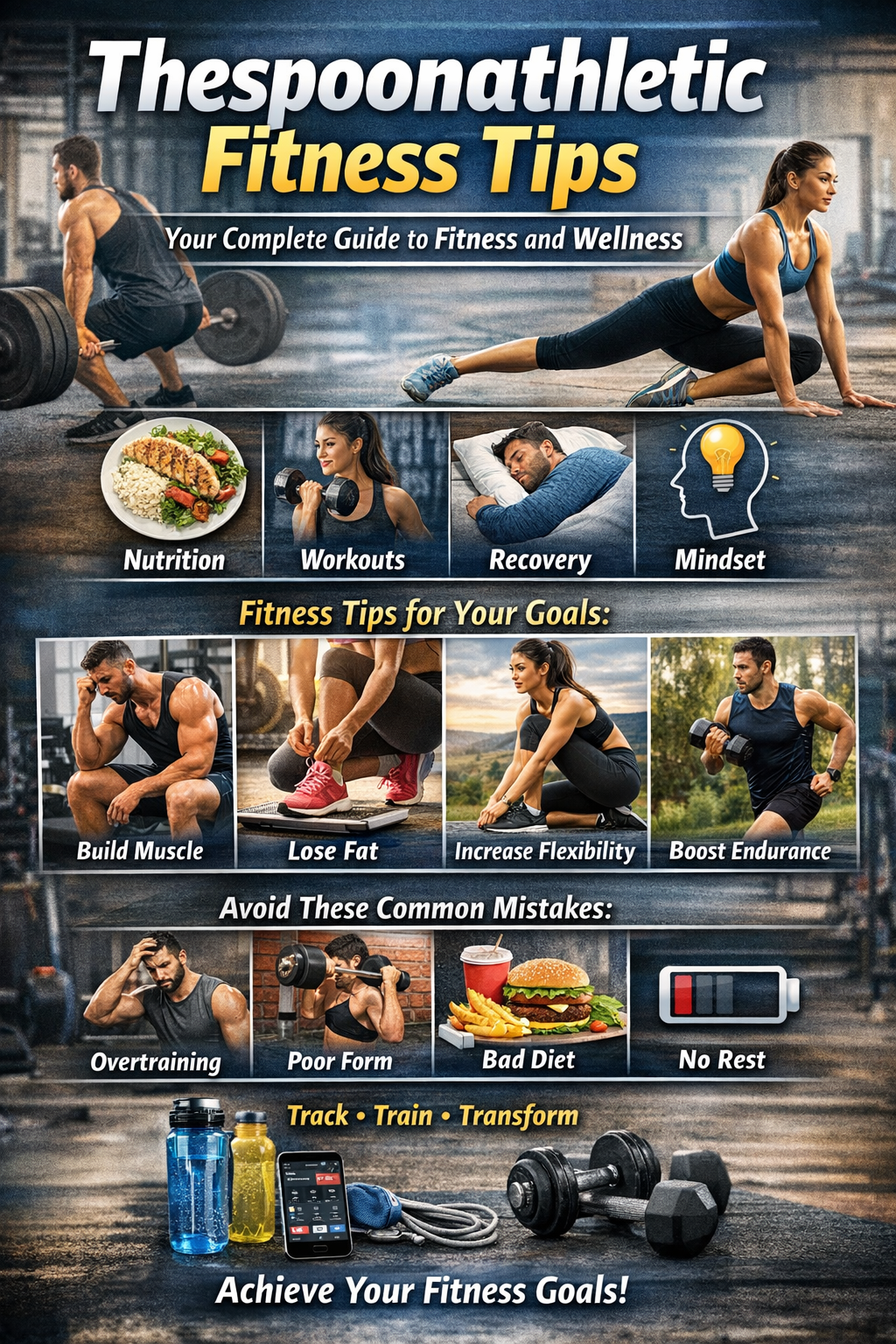
What Are the Best Gym Goals for Women? (Beginner to Advanced Overview)
When it comes to gym goals for women, understanding what you want to achieve is the first and most important step. Women’s fitness goals are as diverse as the individuals themselves, ranging from weight loss and toning to building muscle, enhancing endurance, or boosting mental health. Unlike men, women often focus on achieving a lean, toned body rather than purely increasing bulk, though strength building is equally important.
Setting clear goals helps you stay consistent, track progress, and make your gym sessions more effective. There are two main types of goals to consider: short-term goals, like losing 5 pounds or mastering a new exercise within a month, and long-term goals, like completing a 12-week strength program, building muscle over six months, or developing lifelong healthy habits.
Choosing the right gym goal depends on your age, lifestyle, current fitness level, and personal preferences. For example:
- A beginner may focus on basic strength and endurance to build confidence.
- Someone with intermediate experience may aim to tone muscles or increase strength.
- Advanced gym-goers often set specific body composition goals, such as muscle hypertrophy or glute growth.
It’s also important to consider overall health benefits alongside aesthetics. Gym goals for women should not only focus on appearance but also on cardiovascular health, joint mobility, mental wellness, and energy levels. Research shows that regular strength training can reduce the risk of osteoporosis, improve metabolic rate, and increase longevity.
Key takeaway: Whether you are just starting or are an experienced gym-goer, your first step is to define what you want. Clear, achievable, and meaningful goals will help you design a program tailored to your needs and ensure long-term success.
How to Set SMART Gym Goals for Women (Step-by-Step Framework)
Setting effective gym goals for women requires more than just saying “I want to get fit” or “I want to lose weight.” To ensure measurable progress, SMART goals are one of the most reliable frameworks. SMART stands for Specific, Measurable, Achievable, Relevant, and Time-bound, and using this method can transform vague intentions into actionable results.
1. Specific: A specific goal answers the questions: what exactly do I want to achieve? Which part of my body, fitness level, or health metric am I focusing on? For example, instead of saying, “I want to tone my body,” a more specific goal would be:
“I want to do strength training three times a week to tone my arms and glutes over the next 12 weeks.”
2. Measurable: Measurable goals allow you to track progress. Metrics could include weight lifted, number of workouts completed, inches lost, or body fat percentage. For instance, a measurable goal might be:
“I want to increase my squat weight by 20 pounds in three months.”
3. Achievable: Your goals should be realistic based on your current fitness level. Starting with overly ambitious targets can lead to frustration or injury. For example, if you are a beginner, aiming to run a marathon in one month is not achievable. Instead, start with:
“I will run three times a week and build up to 5K within six weeks.”
4. Relevant: Ensure your gym goals align with your personal lifestyle and priorities. Are you training for aesthetic goals, strength, mental health, or overall health? A relevant goal might be:
“I want to improve my core strength to support better posture and reduce back pain.”
5. Time-bound: Every goal needs a timeline. Deadlines create accountability and help maintain motivation. Examples include:
- “Lose 5 pounds in 4 weeks”
- “Increase my bench press by 15 pounds in 6 weeks”
Practical Tips for Setting Gym Goals for Women:
- Write your goals down: Studies show you’re 42% more likely to achieve goals when written.
- Break big goals into smaller milestones: Helps maintain motivation and track weekly progress.
- Adjust as needed: Life changes, and your fitness plan should too. Be flexible.
- Celebrate small wins: Recognizing progress keeps motivation high.
Example of a SMART Goal for Women:
| Goal Component | Example |
|---|---|
| Specific | Tone glutes and arms |
| Measurable | Complete 3 strength workouts/week |
| Achievable | Start with 2–3 sets per exercise at beginner-friendly weight |
| Relevant | Improve body confidence and strength |
| Time-bound | Achieve noticeable results in 12 weeks |
Using the SMART framework ensures your gym goals for women are not only ambitious but also realistic, measurable, and actionable. With clear goals, every workout becomes a step toward success, reducing guesswork and increasing motivation.
Most Popular Gym Goals for Women (With Detailed Tips & Plans)
Women’s fitness goals are diverse, and the gym can help achieve a wide range of results—from losing weight to building muscle, toning, or boosting endurance. Understanding the most common goals can help you tailor your workouts, nutrition, and recovery for maximum results.
H3: 1. Weight Loss Gym Goals for Women
Weight loss is one of the most common gym goals for women, but it’s important to approach it safely and sustainably. Healthy weight loss typically ranges from 0.5–2 pounds per week, depending on starting weight, diet, and activity level.
Effective weight loss strategies include:
- Cardio exercises: Running, cycling, rowing, or HIIT (High-Intensity Interval Training) burns calories efficiently.
- Strength training: Lifting weights builds muscle, which boosts metabolism and improves long-term fat loss.
- Calorie management: Combining workouts with a modest calorie deficit ensures steady progress without sacrificing energy.
Example Weekly Workout Plan for Weight Loss:
| Day | Workout Type | Duration |
|---|---|---|
| Monday | Full-body strength training | 45 min |
| Tuesday | HIIT cardio | 30 min |
| Wednesday | Rest or yoga | 30 min |
| Thursday | Lower-body strength + cardio | 45 min |
| Friday | HIIT cardio or treadmill run | 30 min |
| Saturday | Full-body circuit training | 45 min |
| Sunday | Active recovery (walk/stretch) | 20–30 min |
Nutrition tips for weight loss: Focus on lean proteins, complex carbs, healthy fats, and plenty of vegetables. Tracking macros or using apps can improve consistency.
2. Muscle Toning & Lean Body Goals
Many women aim for a toned, sculpted body without bulk. Toning combines strength training with moderate cardio and proper nutrition.
Key principles for toning:
- Focus on moderate weight with higher reps (12–20 per set) for muscle endurance.
- Incorporate compound exercises like squats, lunges, push-ups, and rows.
- Maintain protein intake to repair muscles and encourage lean growth.
Sample Toning Routine (3 Days/Week):
- Day 1: Upper body – push-ups, dumbbell rows, shoulder presses
- Day 2: Lower body – squats, lunges, hip thrusts
- Day 3: Full body – kettlebell swings, plank variations, mountain climbers
Toning exercises improve muscle definition, metabolism, and posture, giving women a strong yet lean physique.
3. Building Muscle & Strength
Strength training is increasingly popular among women. Contrary to myths, lifting doesn’t make women bulky due to hormonal differences. Instead, it increases muscle mass, metabolism, and functional strength.
Effective strength-building strategies:
- Progressive overload: Gradually increase weight or reps to challenge muscles.
- Compound lifts: Squats, deadlifts, bench press, pull-ups target multiple muscle groups.
- Recovery: Muscles grow during rest, so aim for 48 hours between intense sessions.
Nutrition for muscle growth:
- 1.2–2g of protein per kg of body weight daily
- Balanced carbs for energy
- Healthy fats for hormone support
Sample Strength Routine:
- Day 1: Legs & glutes (squats, lunges, hip thrusts)
- Day 2: Upper body (push-ups, dumbbell rows, overhead presses)
- Day 3: Full body (deadlifts, kettlebell swings, core work)
4. Booty-Building Gym Goals for Women
Glute development is one of the most sought-after gym goals. Building glutes improves posture, lower body strength, and aesthetics.
Top exercises for glute growth:
- Hip thrusts (weighted or bodyweight)
- Squats (varied foot positions for full glute activation)
- Romanian deadlifts
- Glute bridges
- Cable kickbacks
Tips for glute-building success:
- Train glutes 2–3 times per week
- Focus on progressive overload
- Include activation exercises like clamshells and band walks before workouts
Example Glute Workout (3 Exercises, 3 Sets Each):
| Exercise | Reps |
|---|---|
| Hip Thrust | 12–15 |
| Squat | 12–15 |
| Glute Bridge | 15–20 |
With consistent effort and proper nutrition, most women notice significant glute growth within 6–8 weeks.
5. Improving Endurance & Energy Levels
Endurance goals focus on increasing stamina, cardiovascular fitness, and energy levels. These are ideal for women who want better daily energy, improved workouts, and long-term heart health.
Effective endurance strategies:
- Steady-state cardio: 30–45 minutes of moderate-intensity exercise (jogging, cycling).
- HIIT sessions: Alternating high and low-intensity intervals improves heart rate efficiency.
- Functional training: Circuit training with weights, kettlebells, and bodyweight moves.
Key benefits: Higher endurance supports other gym goals, improves metabolism, and enhances mental clarity.
6. Flexibility Goals for Women
Flexibility is often overlooked but is crucial for preventing injuries, improving posture, and enhancing performance.
Recommended flexibility practices:
- Daily stretching (hamstrings, hips, shoulders)
- Yoga or Pilates sessions for mobility
- Foam rolling to release tight muscles
Tip: Combining flexibility work with strength training ensures balanced fitness and reduces post-workout soreness.
7. Mental Health & Confidence Goals
Many women hit the gym not just for appearance but for mental health and confidence. Exercise releases endorphins, reduces stress, and improves self-esteem.
Ways to boost mental health through gym workouts:
- Set small, achievable goals to feel accomplished
- Include exercises you enjoy (dance, group classes, circuits)
- Track progress to maintain motivation
Quote:
“Exercise is a celebration of what your body can do, not a punishment for what you ate.” – Anonymous
Gym Goals for Women by Age Group
Fitness needs and goals change throughout life. What works for women in their 20s may not be optimal for those in their 40s or 50s. Understanding age-specific considerations ensures that gym goals for women are realistic, safe, and effective.
Gym Goals for Women in Their 20s
Women in their 20s often have high energy levels and faster metabolism, making it an ideal time to build strength, endurance, and a strong fitness foundation. Common goals include:
- Building lean muscle and toning the body
- Increasing cardiovascular endurance
- Learning proper form and exercise habits
Tips for this age group:
- Focus on compound lifts (squats, deadlifts, bench press)
- Include a mix of strength training and HIIT
- Begin tracking nutrition for muscle growth and energy balance
Example Goal: “Increase my bench press by 10 pounds and run a 5K in under 30 minutes in 12 weeks.”
Gym Goals for Women in Their 30s
In the 30s, metabolism begins to slow slightly, and lifestyle changes (career, family) can affect workout consistency. Key goals often include:
- Weight management
- Core strengthening to prevent back pain
- Glute and leg toning
- Stress relief through exercise
Tips:
- Include strength training 3–4 times per week
- Incorporate mobility exercises to prevent injury
- Prioritize protein intake to preserve muscle mass
Example Goal: “Tone my core and glutes with 3 strength sessions per week while maintaining overall energy for daily tasks.”
Gym Goals for Women in Their 40s
Women in their 40s may face hormonal changes, early signs of joint wear, and decreased muscle mass. Goals often focus on:
- Maintaining strength and bone health
- Preventing weight gain
- Improving flexibility and posture
Tips:
- Include resistance training to prevent age-related muscle loss (sarcopenia)
- Prioritize low-impact cardio to protect joints
- Consider yoga or Pilates for flexibility and balance
Example Goal: “Strengthen legs and core while maintaining flexibility with a 4-day workout routine including resistance and mobility exercises.”
Gym Goals for Women 50+
In the 50s and beyond, fitness priorities shift toward longevity, mobility, and maintaining independence. Common goals include:
- Improving balance and stability
- Maintaining muscle mass and bone density
- Enhancing cardiovascular health
Tips:
- Focus on resistance training with moderate weights
- Include balance and mobility exercises
- Low-impact cardio such as swimming, brisk walking, or cycling is recommended
Example Goal: “Build strength and balance with a 3-day resistance program and daily walking routine.”
Menopause Fitness Goals & Considerations
During menopause, hormonal changes can increase the risk of weight gain, bone density loss, and decreased muscle mass. Gym goals for women during this stage should prioritize:
- Strength training to preserve lean mass
- Weight management and fat reduction
- Cardiovascular health and energy levels
Tips:
- Incorporate compound lifts and functional exercises
- Focus on calcium and vitamin D for bone health
- Prioritize recovery and avoid overtraining
Example Goal: “Maintain lean muscle and cardiovascular health through 3 strength sessions and 2 low-impact cardio sessions per week.”
Beginner Gym Goals for Women Starting Their First Workout
Starting at the gym can feel overwhelming, especially if it’s your first time. Setting clear beginner gym goals for women helps reduce anxiety, build confidence, and establish a strong foundation for long-term fitness success.
What to Do on Your First Day at the Gym
The first day is about familiarization, comfort, and safety rather than intensity. Key steps include:
- Tour the gym: Learn where equipment, weights, and machines are located.
- Warm-up: 5–10 minutes of light cardio or dynamic stretching to prepare your muscles.
- Start light: Focus on machines or bodyweight exercises to learn proper form.
- Ask for guidance: Trainers or gym staff can demonstrate exercises and correct form.
Example first-day plan:
- 5–10 minutes treadmill walk
- 2 sets of 10–12 reps on machines (leg press, chest press, lat pull-down)
- Bodyweight squats and planks
How to Overcome Gym Anxiety
Many beginners feel intimidated by advanced gym-goers or unfamiliar equipment. To reduce anxiety:
- Go with a friend or hire a personal trainer initially
- Plan your workout beforehand so you know exactly what to do
- Avoid comparison: Focus on your own progress, not others
- Start off-peak: Less crowded hours can reduce stress
Best Beginner-Friendly Machines
Machines are excellent for beginners because they guide movement, reduce risk of injury, and allow controlled weight progression. Common beginner machines:
- Leg press – targets quads, hamstrings, and glutes
- Chest press – strengthens chest, shoulders, and triceps
- Lat pull-down – works upper back and arms
- Seated row – improves posture and back strength
- Leg curl/extension – isolates hamstrings and quads
Tip: Focus on proper form before increasing weight. Aim for 2–3 sets of 10–12 reps per exercise.
Simple 2–3 Day Workout Plan for Beginners
Day 1: Full Body (Strength Machines + Bodyweight)
- Leg press – 2×12
- Chest press – 2×12
- Lat pull-down – 2×12
- Plank – 2×30 sec
Day 2: Cardio + Core
- 20–30 minutes treadmill walk/jog
- Bicycle crunches – 2×15
- Mountain climbers – 2×12
Day 3: Optional Full Body / Rest
- Bodyweight squats – 2×15
- Dumbbell shoulder press – 2×12
- Seated row – 2×12
- Stretching – 10 minutes
Key Advice for Beginners:
- Start slow and progress gradually
- Listen to your body to avoid injury
- Track workouts to see measurable improvement