What is a Low Carbohydrate Diet?
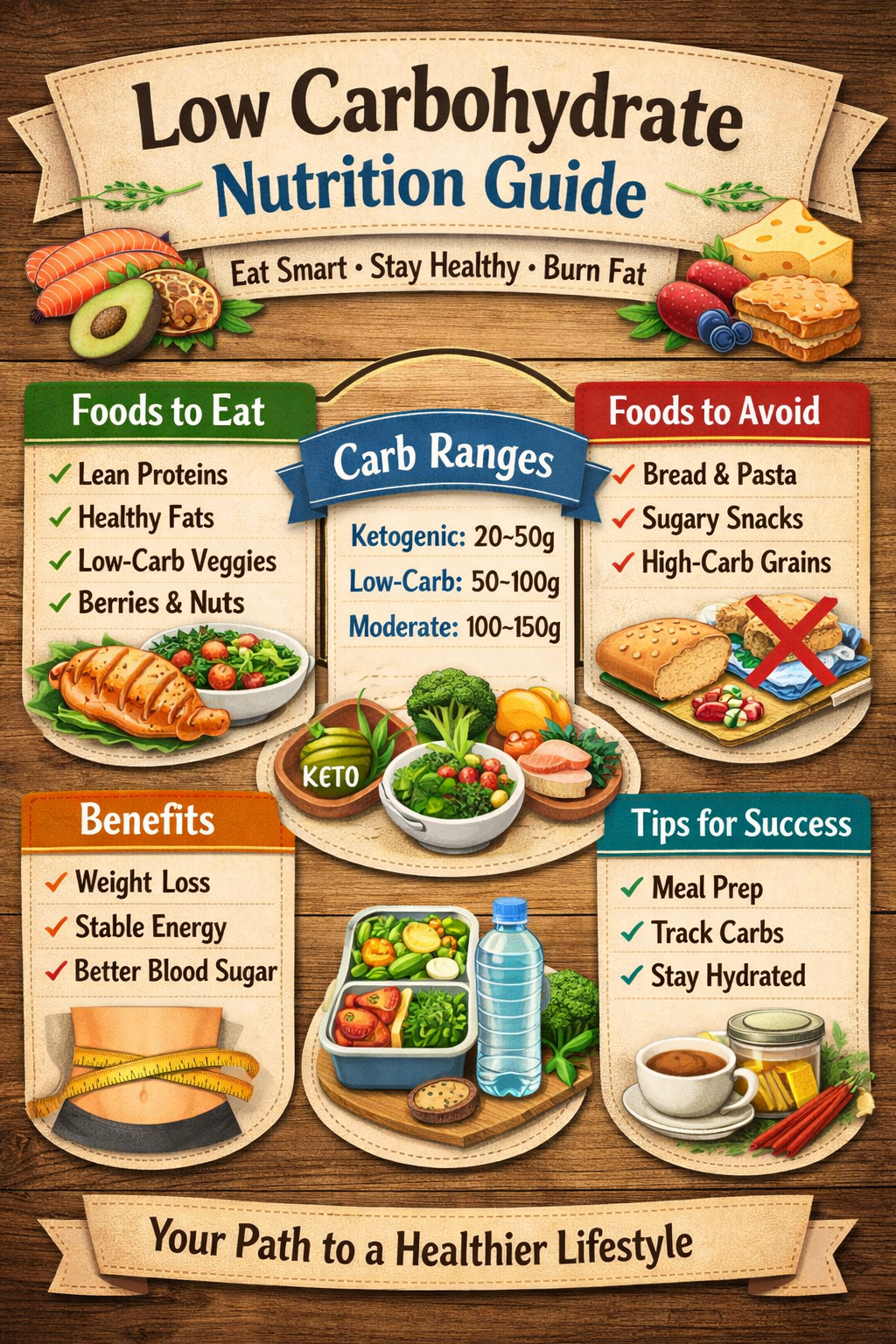
A low carbohydrate nutrition guide begins with understanding what a low-carb diet actually is. In simple terms, a low-carb diet focuses on reducing the amount of carbohydrates you consume while increasing protein and healthy fats. Carbohydrates are found in foods like bread, pasta, rice, and sugary products, and they are the body’s primary source of energy. However, consuming too many carbs—especially refined ones—can lead to weight gain, blood sugar spikes, and fatigue.
Unlike general diets, low-carb nutrition plans prioritize nutrient-dense foods that provide sustained energy without dramatic swings in insulin or blood sugar. This type of diet can be tailored to individual needs, whether the goal is weight loss, improved mental clarity, or better heart health.
Key differences between low-carb and other diets:
- Keto Diet: Extremely low in carbs (usually under 50 grams per day) and high in fat to induce ketosis.
- Paleo Diet: Focuses on whole, unprocessed foods and eliminates grains and refined sugars, but not necessarily low-carb.
- Balanced Diet: Includes carbohydrates as a significant portion of daily intake (often 45–65% of total calories).
Benefits of understanding low-carb nutrition include:
- Reducing sugar and processed food intake
- Stabilizing blood sugar levels
- Supporting sustainable weight management
- Enhancing energy and focus throughout the day
Data Insight: A 2020 study published in The New England Journal of Medicine found that participants on low-carb diets lost more weight in the first six months compared to those on low-fat diets, highlighting the effectiveness of carbohydrate reduction for weight management.
Benefits of a Low Carbohydrate Nutrition Plan
Adopting a low carbohydrate nutrition plan offers a variety of benefits beyond just weight loss. By reducing carb intake and focusing on protein, healthy fats, and low-carb vegetables, you can improve multiple aspects of health, from blood sugar control to mental clarity. Here’s an in-depth look at the key advantages.
Weight Loss and Fat Reduction
One of the most popular reasons people follow a low-carb diet is weight loss. When carbohydrates are limited, the body switches from using glucose (from carbs) for energy to using fat stores, a process known as lipolysis. This not only helps reduce body fat but also preserves lean muscle mass compared to calorie-restricted low-fat diets.
Key points:
- Reduces insulin levels, making it easier to burn fat
- Helps control appetite by increasing satiety from protein and fat
- Often leads to faster initial weight loss due to reduced water retention
Case Study: A 2018 meta-analysis published in Nutrition & Diabetes reviewed 23 randomized controlled trials and found that individuals on low-carb diets lost 2–3 kg more over 12 months compared to low-fat diets, highlighting its effectiveness.
Improved Blood Sugar and Insulin Levels
For those with insulin resistance, prediabetes, or type 2 diabetes, a low carbohydrate nutrition guide can be transformative. Reducing carbs decreases post-meal blood sugar spikes and lowers insulin demand, reducing the risk of complications associated with high blood sugar levels.
Benefits for blood sugar management:
- Stabilizes glucose levels throughout the day
- Reduces HbA1c levels (a long-term blood sugar marker)
- May lower medication requirements for type 2 diabetes patients
Data Insight: Research in Diabetes Therapy (2019) showed that participants following a low-carb diet experienced an average HbA1c reduction of 0.6–0.8%, demonstrating significant improvement in blood sugar control.
Heart Health and Cholesterol
Low-carb diets have been shown to improve several cardiovascular risk factors. By replacing refined carbs with healthy fats, individuals can often see improved lipid profiles.
Heart health benefits include:
- Increased HDL (“good”) cholesterol
- Reduced triglycerides, which are linked to heart disease
- Possible reductions in small LDL particles (the more harmful type of cholesterol)
Fact: A study in The Annals of Internal Medicine found that participants on a low-carb diet improved their triglyceride-to-HDL ratio by 30% over six months.
Increased Energy and Mental Clarity
Many followers of a low-carb diet report feeling more energetic and focused. Unlike high-carb diets, which can cause energy crashes after sugar spikes, low-carb eating provides stable energy levels.
Reasons for improved energy and focus:
- Fat and protein provide sustained energy
- Reduced blood sugar fluctuations
- Possible benefits of ketones for brain function in very low-carb diets
Quote: According to Dr. Eric Westman, a leading low-carb researcher, “Many patients report clearer thinking, better focus, and steady energy after switching to a low-carbohydrate nutrition plan.”
Table: Summary of Key Benefits of Low-Carb Nutrition
| Benefit | How It Works | Supporting Data/Study |
|---|---|---|
| Weight Loss | Fat burning due to lower insulin | NEJM 2020, 2–3 kg more loss vs low-fat |
| Blood Sugar Control | Stabilizes glucose, lowers insulin spikes | Diabetes Therapy 2019, HbA1c -0.6–0.8% |
| Heart Health | Improves HDL, reduces triglycerides | Annals of Internal Medicine 2018 |
| Mental Clarity & Energy | Sustained energy from fat & protein | Clinical observations, multiple studies |
Types of Low Carbohydrate Diets
A low carbohydrate nutrition guide wouldn’t be complete without understanding the different approaches to reducing carbs. Not all low-carb diets are the same—some are more restrictive, while others offer flexibility depending on your goals, lifestyle, and activity level. Here’s a detailed look at the main types.
Standard Low-Carb Diet
The standard low-carb diet is the most common approach and typically limits carbohydrate intake to 50–150 grams per day, depending on individual needs. This approach emphasizes protein, healthy fats, and low-carb vegetables while minimizing refined carbs.
Key Features:
- Moderate carb restriction
- Flexible and easier to follow long-term
- Suitable for weight loss, blood sugar management, and general health
Foods Included:
- Lean meats, eggs, fish
- Nuts, seeds, avocado
- Leafy greens, broccoli, cauliflower
- Berries in moderation
Pros: Sustainable, flexible, and balanced
Cons: Slower results for fat loss compared to stricter low-carb diets
Ketogenic Diet (Keto)
The ketogenic diet is an extreme form of low-carb eating designed to induce ketosis, a metabolic state where the body burns fat for fuel instead of glucose. Carbs are usually limited to 20–50 grams per day, with fat making up 70–75% of daily calories.
Key Features:
- Very low carb, high fat, moderate protein
- Rapid fat loss for some individuals
- Can improve insulin sensitivity and mental clarity
Foods Included:
- Fatty fish (salmon, mackerel)
- Butter, coconut oil, olive oil
- Low-carb vegetables (spinach, zucchini, cauliflower)
- Nuts, seeds, cheese
Pros: Fast weight loss, stable energy, reduced sugar cravings
Cons: Difficult to maintain long-term, may require supplements for nutrients, can cause initial “keto flu”
Targeted Low-Carb Diets
Targeted low-carb diets are designed for athletes, active individuals, or people with specific fitness goals. This approach involves consuming additional carbs around workouts to provide energy while keeping overall carb intake low.
Key Features:
- Low-carb for most of the day
- Carb intake increases around exercise (pre- or post-workout)
- Supports muscle performance while promoting fat loss
Foods Included:
- Carbs from sweet potatoes, oats, or fruit around workouts
- Lean proteins and healthy fats for the rest of the day
- Low-carb vegetables and salads
Pros: Maintains energy during exercise, supports muscle recovery
Cons: Requires careful timing and planning, more complex
Low-Carb Mediterranean or Paleo Approaches
Some people combine low-carb eating with Mediterranean or Paleo principles, focusing on whole, minimally processed foods. These variations prioritize nutrient-dense foods, healthy fats, and lean proteins while avoiding refined sugars and grains.
Key Features:
- Emphasis on whole foods and healthy fats
- Moderate to low carb depending on adherence
- High in fiber, vitamins, and antioxidants
Foods Included:
- Olive oil, nuts, seeds, fatty fish
- Fresh vegetables and moderate fruits
- Grass-fed meats or free-range poultry
Pros: Heart-healthy, nutrient-dense, flexible
Cons: May require meal planning to ensure carb targets are met
Table: Comparison of Low-Carb Diet Types
| Diet Type | Carb Range (g/day) | Protein/Fat Focus | Ideal For | Pros | Cons |
|---|---|---|---|---|---|
| Standard Low-Carb | 50–150 | Moderate protein/fat | General health, weight loss | Flexible, sustainable | Slower fat loss |
| Ketogenic | 20–50 | High fat, moderate protein | Rapid fat loss, insulin control | Fast results, stable energy | Hard to maintain, nutrient gaps |
| Targeted Low-Carb | Varies | Protein/fat focus | Athletes, active individuals | Maintains exercise energy | Requires planning, timing |
| Low-Carb Mediterranean/Paleo | 50–100 | Moderate protein/fat | Heart health, nutrient-dense diet | Nutritious, flexible | Carb intake may vary |
Foods to Eat on a Low Carbohydrate Nutrition Plan
Following a low carbohydrate nutrition guide requires knowing exactly which foods support your health while keeping carbs low. The key is focusing on high-protein foods, healthy fats, low-carb vegetables, and select fruits. Eating the right foods ensures satiety, energy stability, and nutrient sufficiency.
High-Protein Sources
Protein is a cornerstone of any low-carb plan. It supports muscle maintenance, satiety, and metabolism.
Examples of high-protein foods:
- Meat: Chicken, beef, pork, lamb
- Fish & Seafood: Salmon, mackerel, sardines, shrimp
- Eggs: Whole eggs and egg whites
- Plant-Based Options: Tofu, tempeh, seitan
Fact: Studies show that higher protein intake can increase metabolism by 80–100 calories per day due to the thermic effect of food (source: American Journal of Clinical Nutrition, 2015).
Healthy Fats
Healthy fats are critical for energy, hormone production, and nutrient absorption in a low-carb diet.
Examples of healthy fats:
- Avocado: Rich in monounsaturated fats and fiber
- Olive Oil & Coconut Oil: Excellent for cooking and dressings
- Nuts & Seeds: Almonds, walnuts, chia seeds, flaxseeds
- Fatty Fish: Salmon, sardines, mackerel (also high in omega-3)
Tip: Pairing fats with protein and low-carb veggies can increase satiety and reduce cravings throughout the day.
Low-Carb Vegetables
Vegetables are an essential source of fiber, vitamins, and minerals without adding many carbs. Focus on non-starchy varieties.
Low-carb vegetable examples:
- Leafy greens: Spinach, kale, romaine
- Cruciferous vegetables: Broccoli, cauliflower, cabbage
- Zucchini, bell peppers, asparagus, mushrooms
- Green beans and cucumbers
Data Insight: Fiber from vegetables promotes gut health, improves digestion, and can help maintain healthy blood sugar levels even on low-carb diets.
Low-Carb Fruits
While fruits contain natural sugars, some are low enough in carbs to fit into a low-carb diet, especially when eaten in moderation.
Low-carb fruit options:
- Berries: Strawberries, blueberries, raspberries, blackberries
- Small portions of melon or kiwi
- Citrus fruits: Lemons, limes, oranges (in limited amounts)
Tip: Track fruit portions to stay within your carb goals while still benefiting from vitamins, antioxidants, and fiber.
Low-Carb Snacks and Alternatives
For cravings between meals, low-carb snacks can prevent energy crashes and maintain adherence to the diet.
Snack ideas:
- Cheese sticks or slices
- Nuts and seeds (almonds, walnuts, pumpkin seeds)
- Hard-boiled eggs
- Jerky or cold cuts (low-sugar, nitrate-free)
- Veggie sticks with guacamole or hummus
Pro Tip: Preparing snacks in advance can help you avoid high-carb temptations during busy days.
Table: Low-Carb Foods at a Glance
| Food Category | Examples | Benefits |
|---|---|---|
| High-Protein | Chicken, fish, eggs, tofu | Muscle maintenance, satiety, metabolism |
| Healthy Fats | Avocado, olive oil, nuts, fatty fish | Energy, hormone support, nutrient absorption |
| Low-Carb Vegetables | Spinach, broccoli, cauliflower, zucchini | Fiber, vitamins, minerals |
| Low-Carb Fruits | Berries, citrus, melon | Antioxidants, vitamins, moderate carbs |
| Snacks & Alternatives | Cheese, jerky, nuts, eggs | Satiety, energy, convenient options |
Foods to Avoid on a Low-Carb Diet
Following a low carbohydrate nutrition guide isn’t just about what to eat—it’s equally important to know which foods to avoid. Eliminating high-carb and processed foods helps maintain energy, supports weight loss, and stabilizes blood sugar.
High-Carb Grains and Starches
Grains and starchy foods are high in carbohydrates and can quickly exceed your daily carb limit.
Foods to avoid:
- Bread, bagels, and rolls
- Pasta and noodles
- Rice, quinoa, and couscous
- Potatoes, sweet potatoes, and corn
Why avoid: These foods are rapidly digested into glucose, causing blood sugar spikes and increasing insulin production, which can hinder fat loss and energy stability.
Sugary Foods and Beverages
Sugar is a major source of empty calories and can derail your low-carb nutrition plan.
Sugary items to avoid:
- Soda, sweetened juices, and energy drinks
- Candy, chocolate bars, and pastries
- Ice cream, sweetened yogurt, and desserts
Fact: Excess sugar intake is linked to obesity, insulin resistance, and heart disease. A low-carb diet minimizes these risks while reducing cravings over time.
Processed Foods and Hidden Carbs
Many processed or packaged foods contain hidden carbohydrates, even if they appear “low-carb.”
Examples:
- Sauces and condiments with added sugar (ketchup, BBQ sauce)
- Packaged meal replacements or snack bars
- Certain dairy products with added sugars
Tip: Always read nutrition labels carefully. Ingredients like maltodextrin, corn syrup, and dextrose indicate hidden carbs.
High-Sugar Fruits and Starchy Vegetables
While some fruits and vegetables are low-carb, others can be surprisingly high in sugar and starch.
Foods to limit or avoid:
- Bananas, grapes, mangoes, and pineapple
- Carrots, peas, and butternut squash
- High-sugar vegetables in large portions
Tip: You don’t need to eliminate these entirely—moderation and portion control are key.
Alcoholic Beverages
Alcohol contains carbs and can interfere with fat metabolism, especially sugary cocktails.
To avoid or limit:
- Beer and sweet wines
- Mixed drinks with syrups or soda
- Liqueurs
Better alternatives:
- Dry wine or spirits with soda water
- Avoid sugary mixers and limit intake
Table: Foods to Avoid on a Low-Carb Diet
| Category | Foods to Avoid | Reason for Avoidance |
|---|---|---|
| Grains & Starches | Bread, pasta, rice, potatoes | High carb content, blood sugar spikes |
| Sugary Foods & Beverages | Soda, candy, desserts | Empty calories, insulin spikes |
| Processed & Packaged Foods | Sauces, snack bars, meal replacements | Hidden carbs, added sugars |
| High-Sugar Fruits & Veggies | Bananas, grapes, carrots, peas | Excess sugar, high carb load |
| Alcohol | Beer, sweet wines, cocktails | Interferes with fat metabolism |
Low-Carb Diet for Specific Goals and Populations
A low carbohydrate nutrition plan is not one-size-fits-all. Different individuals have different goals, health conditions, and lifestyles. Understanding how to adjust carb intake and food choices is key to success.
Weight Loss and Fat Burning
For individuals aiming to lose weight, a low-carb approach can accelerate fat loss by reducing insulin levels and stabilizing hunger.
Tips for weight loss:
- Stick to a carb range of 50–100 grams per day for standard low-carb or 20–50 grams for ketogenic diets.
- Focus on high-protein meals to maintain lean muscle mass.
- Include healthy fats to increase satiety and reduce cravings.
- Track progress with a food diary or app to ensure consistency.
Case Study: A 2019 study in Obesity Reviews showed participants on a low-carb diet lost an average of 7.5 kg over 12 weeks, significantly more than those on a low-fat diet.
Managing Diabetes or Blood Sugar
Low-carb diets are particularly effective for people with type 2 diabetes or insulin resistance. Limiting carbs reduces blood sugar spikes and improves glycemic control.
Guidelines:
- Focus on non-starchy vegetables, lean protein, and healthy fats.
- Limit high-carb fruits and grains.
- Monitor blood sugar levels closely and consult a healthcare provider before making major dietary changes.
Data Insight: According to Diabetes Care (2018), participants on low-carb diets reduced HbA1c by 0.5–1% on average, demonstrating improved blood sugar management.
Supporting Athletes and Active Lifestyles
Athletes or individuals with high physical activity levels may benefit from targeted low-carb or carb-cycling approaches to fuel workouts without compromising fat loss.
Recommendations:
- Consume extra carbs around workouts (pre- and post-exercise) for energy and recovery.
- Maintain low-carb intake for the rest of the day to stay in a fat-burning state.
- Prioritize protein for muscle repair and healthy fats for sustained energy.
Example: A runner might eat 30 grams of carbs before a long training session and return to low-carb meals afterward.
Seniors or Special Health Conditions
Older adults or people with specific health conditions (e.g., metabolic syndrome, cardiovascular disease) can also benefit from low-carb nutrition, but adjustments may be needed.
Considerations:
- Ensure adequate fiber intake from low-carb vegetables to support digestion.
- Monitor kidney function if consuming higher protein levels.
- Include nutrient-dense foods to prevent deficiencies (vitamins, minerals, omega-3s).
Table: Tailoring Low-Carb Diets for Different Goals
| Goal / Population | Carb Range (g/day) | Key Focus | Additional Tips |
|---|---|---|---|
| Weight Loss | 20–100 | Protein, healthy fats | Track portions, use low-carb substitutes |
| Diabetes / Blood Sugar | 20–100 | Non-starchy veggies, lean protein | Monitor blood sugar, consult doctor |
| Athletes / Active Individuals | 50–150 (targeted) | Protein & timed carbs | Carb intake around workouts |
| Seniors / Special Conditions | 50–120 | Nutrient-dense, fiber-rich foods | Monitor vitamins, maintain hydration |
Low Carbohydrate Nutrition Myths and Misconceptions
There are many myths surrounding low-carb diets that can confuse people or prevent them from trying this approach. Understanding the truth helps you make informed choices.
Myth 1: Low-Carb Diets Are Unhealthy
Some believe that reducing carbohydrates, especially grains, is inherently unhealthy. In reality, low-carb diets emphasize nutrient-dense foods, healthy fats, and proteins.
Fact: Research shows that well-planned low-carb diets can improve weight management, heart health, and blood sugar control without compromising nutrient intake. Including vegetables, low-carb fruits, nuts, and seeds ensures a balanced diet.
Myth 2: You Can’t Get Enough Energy
Critics often claim low-carb diets lead to fatigue and poor performance. While initial adaptation may cause temporary tiredness, energy levels usually stabilize once the body adjusts to burning fat for fuel.
Fact: Many people report more stable energy levels and mental clarity on low-carb diets. Athletes and active individuals can use targeted carbs around workouts to maintain performance.
Myth 3: All Fats Are Bad
Low-carb diets often increase fat intake, leading some to believe that all fats are harmful.
Fact: Healthy fats—like those from olive oil, avocado, nuts, seeds, and fatty fish—support heart health, hormone production, and satiety. It’s the combination of refined carbs and unhealthy fats (trans fats, processed oils) that is truly harmful.
Myth 4: Low-Carb Means No Fruits or Vegetables
Some think low-carb diets eliminate all fruits and vegetables. This is false.
Fact: Low-carb diets emphasize non-starchy vegetables and select low-sugar fruits, providing fiber, vitamins, and antioxidants essential for overall health. Berries, leafy greens, and cruciferous vegetables are excellent examples.
Myth 5: Low-Carb Diets Don’t Work Long-Term
People assume low-carb diets are only for short-term weight loss and are not sustainable.
Fact: Many individuals successfully maintain low-carb diets long-term by adjusting carb intake, varying food choices, and planning meals, proving sustainability is possible.
Table: Low-Carb Myths vs Facts
| Myth | Fact |
|---|---|
| Low-carb diets are unhealthy | Nutrient-dense low-carb diets improve health and weight management |
| Low-carb diets cause fatigue | Adaptation leads to stable energy and improved mental clarity |
| All fats are bad | Healthy fats support heart, hormones, and satiety |
| No fruits or vegetables allowed | Low-sugar fruits and non-starchy vegetables provide essential nutrients |
| Low-carb diets aren’t sustainable | With planning, low-carb diets can be maintained long-term |
Tracking Progress on a Low-Carb Nutrition Plan
Monitoring progress is essential for success and long-term adherence on a low-carb diet. Tracking helps you understand what works, identify obstacles, and make adjustments for optimal results.
How to Monitor Weight and Body Composition
While weight is the most obvious metric, body composition gives a more accurate picture of fat loss and muscle retention.
Tips:
- Use a scale to track weight once a week at the same time of day.
- Consider a body composition scale or measuring tape to track fat vs. muscle changes.
- Take progress photos weekly to visually track transformation.
Fact: Many people lose inches even when weight loss plateaus, indicating fat loss and improved body composition.
Tracking Energy Levels and Mental Clarity
Low-carb diets often improve mental focus and energy stability, which are important indicators of effectiveness.
Strategies:
- Keep a journal of energy, focus, and mood throughout the day.
- Note times when cravings or fatigue occur to adjust meals or macros.
- Track workouts and recovery to ensure sufficient energy intake.
Monitoring Blood Sugar and Health Markers
For individuals with diabetes or metabolic concerns, tracking blood sugar is critical.
Recommendations:
- Check fasting glucose and post-meal glucose regularly.
- Track HbA1c levels if possible for long-term blood sugar monitoring.
- Monitor blood pressure, cholesterol, and triglycerides to assess cardiovascular health.
Data Insight: Low-carb diets can reduce HbA1c by 0.5–1% and improve triglyceride-to-HDL ratio, supporting both metabolic and heart health.
Using Apps and Tools for Tracking
Technology can simplify tracking and increase adherence:
- MyFitnessPal: Tracks macros, calories, and nutrients.
- Carb Manager: Designed specifically for low-carb and ketogenic diets.
- Fitbit or Apple Health: Monitors activity, steps, and calories burned.
Tip: Tracking doesn’t need to be rigid—use it as a guide to make informed adjustments.
Signs Your Low-Carb Diet is Working
Look for positive changes beyond the scale:
- Steady weight or fat loss over time
- Reduced cravings and sugar dependence
- Stable energy and improved mental clarity
- Better digestion and reduced bloating
- Improved blood markers like HbA1c, triglycerides, or cholesterol
Table: Key Metrics to Track on a Low-Carb Diet
| Metric | Why It Matters | How to Track |
|---|---|---|
| Weight & Body Composition | Fat loss and muscle maintenance | Scale, tape measurements, photos |
| Energy & Mental Clarity | Effectiveness and well-being | Journal daily |
| Blood Sugar Levels | Diabetes management | Glucose meter, HbA1c tests |
| Heart Health Markers | Cardiovascular risk | Blood tests: cholesterol, triglycerides |
| Physical Performance | Fitness and strength | Workout logs, energy tracking |
Frequently Asked Questions (FAQs) About Low-Carb Nutrition
Here are some of the most common questions people have when starting or maintaining a low-carb diet, along with clear, evidence-based answers.
1. Is a low-carb diet safe long-term?
Yes, a well-planned low-carb diet can be safe for long-term use. Focus on nutrient-dense foods such as vegetables, lean protein, healthy fats, and low-sugar fruits. Monitoring key health markers like blood sugar, cholesterol, and kidney function is recommended, especially for individuals with pre-existing conditions.
2. Can I eat fruits on a low-carb diet?
Absolutely, but choose low-sugar fruits like berries, kiwi, and citrus in moderation. These provide essential vitamins, minerals, and antioxidants without exceeding your daily carb target. High-sugar fruits, like bananas and grapes, should be limited or timed around workouts.
3. What’s the difference between low-carb and keto?
- Low-carb diet: Typically 50–150 grams of carbs per day, flexible, suitable for general health, weight loss, and blood sugar control.
- Ketogenic diet: Very low carbs (20–50 grams per day), high fat, designed to induce ketosis for rapid fat burning and energy from ketones.
4. How quickly can I see results?
Results vary depending on carb restriction, adherence, and individual metabolism.
- Initial weight loss may occur within the first 1–2 weeks, mostly due to water loss.
- Fat loss and improved energy often become noticeable within 4–6 weeks.
- Long-term health improvements, such as better blood sugar control, may take 2–3 months.
5. Can low-carb diets affect cholesterol?
Yes, low-carb diets often improve cholesterol profiles:
- Increase HDL (“good”) cholesterol
- Lower triglycerides
- LDL may increase in some individuals, but particle size often becomes larger and less harmful.
- Regular monitoring of blood markers is recommended for those with heart disease risk factors.
6. Is exercise necessary on a low-carb diet?
Exercise is not mandatory for fat loss but can enhance results, improve metabolic health, and maintain muscle mass. Strength training and cardio are recommended, and active individuals may benefit from targeted low-carb approaches.
7. Can I eat out or travel while on a low-carb diet?
Yes! With planning:
- Check menus online in advance
- Choose salads, grilled meats, or seafood options
- Replace high-carb sides with vegetables or salad
- Keep low-carb snacks handy for travel
Table: FAQ Quick Reference
| Question | Answer Summary |
|---|---|
| Is it safe long-term? | Yes, if nutrient-dense foods are included and markers monitored |
| Can I eat fruits? | Yes, low-sugar fruits like berries and citrus |
| Low-carb vs keto? | Low-carb is flexible; keto is stricter and very low in carbs |
| How quickly are results seen? | Initial water loss in 1–2 weeks; fat loss in 4–6 weeks |
| Cholesterol impact? | HDL increases, triglycerides decrease, LDL particle size improves |
| Exercise necessary? | Not mandatory but recommended for best results |
| Eating out or traveling? | Yes, plan ahead and choose low-carb options |
Conclusion: Is a Low Carbohydrate Nutrition Plan Right for You?
A low carbohydrate nutrition guide provides a structured approach to eating that can support weight loss, improved energy, mental clarity, and overall health. By focusing on high-protein foods, healthy fats, low-carb vegetables, and select fruits, while avoiding refined carbs, sugary foods, and processed items, this approach helps the body stabilize blood sugar, burn fat efficiently, and maintain lean muscle mass.
Key Takeaways:
- Low-carb diets are flexible and can be tailored to different goals: weight loss, diabetes management, athletic performance, or overall wellness.
- Multiple types of low-carb diets exist—from standard low-carb to ketogenic, targeted, and Mediterranean/Paleo variations.
- Meal planning and tracking progress are crucial for sustainable results. Using apps, journaling, and monitoring key health markers can improve adherence.
- Common challenges like cravings, social eating, and nutrient deficiencies can be managed with planning, substitutions, and education.
- Myths such as “all fats are bad” or “low-carb diets are unsustainable” have been debunked by research, proving that this approach is safe, effective, and flexible when done properly.
Final Thought: A low-carbohydrate nutrition plan isn’t just a temporary diet—it’s a lifestyle strategy that encourages healthier eating, better energy, and sustainable results. Whether your goal is fat loss, improved metabolic health, or enhanced performance, following a well-structured low-carb plan can help you achieve meaningful, long-term outcomes.