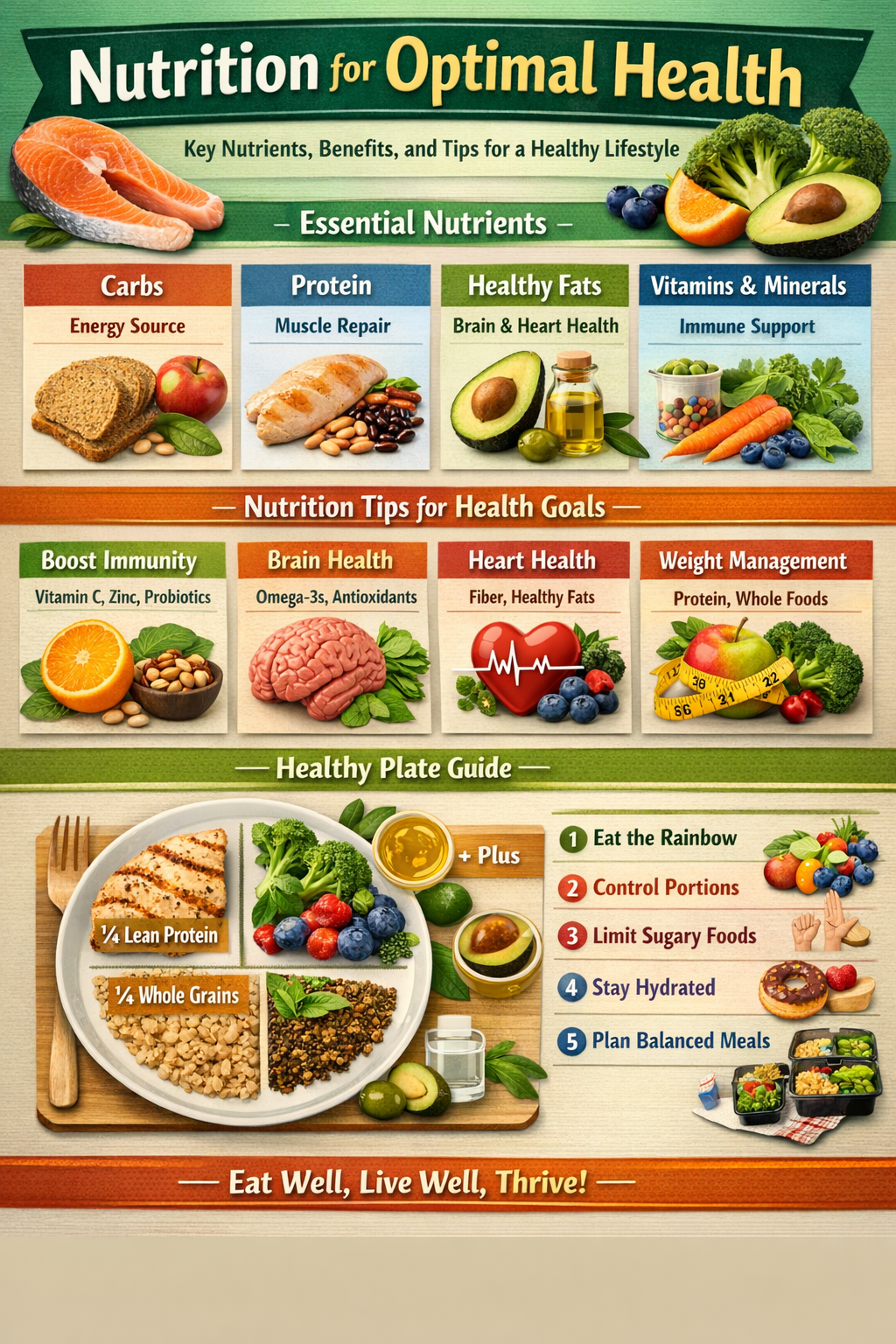
Nutrition for Optimal Health: A Complete Guide
Good nutrition is the foundation of optimal health, influencing not only physical well-being but also mental clarity, energy levels, and long-term disease prevention. Eating the right balance of nutrients supports every system in your body, from your immune defenses to your cardiovascular system and brain function. However, understanding nutrition for optimal health is not just about eating “healthy foods”—it requires a strategic approach to macronutrients, micronutrients, hydration, and lifestyle habits that promote sustained wellness.
In this guide, we will explore every aspect of nutrition: the essential nutrients your body needs, how to build a balanced diet, nutrition tips for specific health goals, common misconceptions, and practical strategies for tracking and improving your diet. By the end, you’ll have a clear roadmap to optimize your health through nutrition.
Why Nutrition Matters for Optimal Health
Proper nutrition fuels your body’s growth, repair, and energy production. Research consistently shows that a nutrient-rich diet can:
- Boost immunity and reduce the risk of infections
- Support brain health, improving memory and cognitive function
- Promote heart health by lowering cholesterol and blood pressure
- Aid weight management through balanced energy intake and nutrient density
- Prevent chronic diseases such as diabetes, obesity, and certain cancers
For instance, a study published in The American Journal of Clinical Nutrition found that diets high in fruits, vegetables, whole grains, and lean proteins were associated with a 30% lower risk of chronic disease over a 10-year period. This highlights the profound impact nutrition has on long-term health outcomes.
Nutrition and Holistic Health
Optimal nutrition is not just about calories or macronutrients; it encompasses a holistic view of well-being. Balanced nutrition affects:
- Physical health: Supporting muscle growth, bone strength, and cardiovascular function
- Mental health: Providing nutrients like omega-3 fatty acids, B vitamins, and magnesium that enhance mood and cognitive performance
- Energy levels: Ensuring a steady supply of glucose and amino acids for daily activities
- Longevity: Reducing inflammation and oxidative stress to protect cells and tissues
By prioritizing nutrition for optimal health, individuals can experience improvements in both short-term energy and long-term resilience, making it a cornerstone of a healthy lifestyle
. What is Nutrition and Why is it Important for Health?
Nutrition refers to the process by which the body takes in and utilizes food substances to support growth, repair, energy production, and overall well-being. It is more than just eating—it is choosing the right foods in the right amounts to meet your body’s needs. Proper nutrition ensures that your body receives the essential macronutrients (carbohydrates, proteins, and fats), micronutrients (vitamins and minerals), and other compounds such as fiber and antioxidants necessary for optimal health.
Without adequate nutrition, the body struggles to function efficiently. Poor dietary choices can lead to a wide range of health issues, including obesity, diabetes, heart disease, cognitive decline, and weakened immunity. On the other hand, a well-balanced diet can enhance energy, strengthen the immune system, improve mental clarity, and promote a longer, healthier life.
Key Components of Nutrition
- Macronutrients – These provide energy and are required in large amounts:
- Carbohydrates: The primary energy source, found in whole grains, fruits, and vegetables.
- Proteins: Essential for muscle growth, tissue repair, and enzyme production. Sources include lean meats, legumes, and dairy.
- Fats: Necessary for hormone production, brain function, and absorption of fat-soluble vitamins. Healthy sources include olive oil, nuts, seeds, and fatty fish.
- Micronutrients – Vitamins and minerals needed in smaller amounts but critical for health:
- Vitamins: A, B-complex, C, D, E, K
- Minerals: Calcium, magnesium, potassium, iron, zinc
- Water and Hydration – Vital for digestion, circulation, nutrient transport, and detoxification. Adults typically need 2-3 liters of water daily, though needs vary with activity and climate.
Why Understanding Nutrition is Crucial
Understanding nutrition allows individuals to make informed choices that align with health goals. For example, someone aiming to improve heart health would focus on reducing saturated fat and sodium, while someone focused on brain function might prioritize omega-3-rich foods and antioxidants. Nutrition education empowers people to plan meals, prevent deficiencies, and reduce the risk of chronic illnesses, making it a key element of optimal health.
Quick Fact: According to the World Health Organization (WHO), diet-related risk factors contribute to more deaths worldwide than any other single factor, highlighting the importance of nutrition in maintaining health.
The Essential Nutrients Your Body Needs
Optimal health depends on consuming a wide variety of nutrients that support every system in the body. Understanding these essential nutrients is the foundation of nutrition for optimal health, as deficiencies or imbalances can compromise energy, immunity, mental clarity, and long-term well-being. Nutrients are broadly categorized into macronutrients, micronutrients, and water, each playing a unique role in maintaining bodily functions.
Macronutrients for Optimal Health
Macronutrients provide the energy your body needs to perform daily functions, including physical activity, cognitive processes, and cellular repair. They are required in relatively large amounts compared to micronutrients. Let’s break down each one:
1. Carbohydrates
- Role: Carbohydrates are the primary source of energy for your brain, muscles, and organs. They are broken down into glucose, which fuels cellular activity and supports metabolism.
- Types:
- Simple carbohydrates: Found in fruits, honey, and milk. Provide quick energy but can spike blood sugar if overconsumed.
- Complex carbohydrates: Found in whole grains, vegetables, legumes. Release energy slowly, stabilizing blood sugar and keeping you full longer.
- Daily Intake: Around 45–65% of total calories should come from carbohydrates according to dietary guidelines.
- Health Tip: Opt for fiber-rich carbs like oats, brown rice, quinoa, and sweet potatoes, which also improve gut health and digestion.
2. Proteins
- Role: Proteins are essential for building and repairing tissues, producing enzymes and hormones, and supporting immune function. They are also crucial for muscle maintenance and recovery.
- Sources: Lean meats (chicken, turkey), fish, eggs, dairy products, legumes (beans, lentils), tofu, and nuts.
- Daily Intake: Approximately 0.8–1.2 grams of protein per kilogram of body weight for average adults, with higher amounts needed for athletes or those recovering from illness.
- Health Tip: Include complete proteins, which provide all essential amino acids, and combine plant-based proteins (like rice + beans) for vegetarian diets.
3. Fats
- Role: Fats are essential for hormone production, brain function, absorption of fat-soluble vitamins (A, D, E, K), and cellular structure.
- Types:
- Unsaturated fats: Healthy fats found in olive oil, avocados, nuts, and fatty fish (omega-3s). Reduce inflammation and support heart and brain health.
- Saturated fats: Found in butter, cheese, and fatty meats; should be limited.
- Trans fats: Artificial fats in processed foods; should be avoided entirely.
- Daily Intake: 20–35% of total calories, emphasizing unsaturated fats.
- Health Tip: Incorporate omega-3 fatty acids (salmon, chia seeds, flaxseeds) to enhance cognitive function and cardiovascular health.
Micronutrients: Vitamins and Minerals
Micronutrients, though needed in smaller quantities, are critical for hundreds of metabolic and physiological processes. Deficiencies can lead to serious health issues, from weakened immunity to developmental delays.
1. Vitamins
| Vitamin | Function | Food Sources | Deficiency Effects |
|---|---|---|---|
| Vitamin A | Vision, immunity, skin health | Carrots, spinach, liver | Night blindness, immune issues |
| Vitamin B Complex | Energy metabolism, red blood cell formation | Whole grains, eggs, leafy greens | Fatigue, anemia, nerve damage |
| Vitamin C | Antioxidant, collagen synthesis, immunity | Citrus fruits, bell peppers | Scurvy, poor wound healing |
| Vitamin D | Calcium absorption, bone health | Sunlight, fatty fish, fortified milk | Rickets, osteoporosis |
| Vitamin E | Antioxidant, skin and eye health | Nuts, seeds, vegetable oils | Neurological problems, immune issues |
| Vitamin K | Blood clotting, bone health | Leafy greens, broccoli | Excessive bleeding, weak bones |
2. Minerals
| Mineral | Function | Food Sources | Deficiency Effects |
|---|---|---|---|
| Calcium | Bone and teeth strength, muscle function | Dairy, almonds, broccoli | Osteoporosis, muscle cramps |
| Magnesium | Enzyme activation, nerve function | Nuts, seeds, whole grains | Fatigue, muscle spasms |
| Potassium | Heart, nerve, muscle function | Bananas, spinach, potatoes | Weakness, irregular heartbeat |
| Iron | Oxygen transport, energy production | Red meat, lentils, spinach | Anemia, fatigue |
| Zinc | Immunity, wound healing, DNA synthesis | Meat, beans, nuts | Growth retardation, immune deficiency |
Case Study: A study in The Journal of Nutrition (2019) showed that adults who consumed diets rich in micronutrients had a 25% lower risk of chronic disease over 5 years compared to those with poor micronutrient intake, emphasizing the importance of a varied diet.
Water and Hydration
Water is often overlooked but is a vital nutrient. It plays a role in:
- Digestion and nutrient absorption
- Circulation and temperature regulation
- Detoxification through urine and sweat
- Joint lubrication and skin health
Recommended Intake: 2–3 liters per day for adults, adjusting for activity level, climate, and health conditions. Hydration can be maintained through water, herbal teas, soups, and water-rich foods like fruits and vegetables.
Health Tip: Monitor hydration by checking urine color; pale yellow usually indicates adequate hydration.
By focusing on these essential nutrients, individuals can create a balanced diet that promotes energy, immunity, and long-term health. Combining macronutrients, micronutrients, and adequate hydration forms the cornerstone of nutrition for optimal health.
Building a Balanced Diet for Optimal Health
Creating a balanced diet is the practical step in achieving nutrition for optimal health. A balanced diet provides the body with all the essential nutrients in the right proportions, supports energy throughout the day, and reduces the risk of chronic diseases. It’s not about strict dieting or cutting out favorite foods—it’s about variety, moderation, and nutrient density.
Understanding Food Groups
A healthy diet incorporates all major food groups, each contributing unique nutrients:
- Fruits and Vegetables
- Rich in vitamins, minerals, fiber, and antioxidants
- Supports immunity, reduces inflammation, and protects against chronic diseases
- Examples: Berries, oranges, spinach, broccoli, tomatoes
- Tip: Aim for at least 5 servings per day, including a variety of colors to maximize nutrient intake
- Whole Grains
- Source of complex carbohydrates, fiber, B vitamins, and minerals
- Provides sustained energy and supports digestive health
- Examples: Oats, quinoa, brown rice, whole wheat bread
- Tip: Replace refined grains with whole grains to stabilize blood sugar and improve heart health
- Lean Proteins
- Essential for muscle repair, tissue growth, and enzyme production
- Examples: Chicken, fish, eggs, tofu, legumes, low-fat dairy
- Tip: Include a source of protein in every meal to maintain satiety and support metabolism
- Healthy Fats
- Necessary for hormone production, brain health, and absorption of fat-soluble vitamins
- Examples: Avocados, nuts, seeds, olive oil, fatty fish
- Tip: Limit saturated fats and avoid trans fats; prioritize omega-3-rich sources for heart and brain health
- Dairy or Alternatives
- Provides calcium, vitamin D, and protein
- Supports bone and dental health
- Examples: Milk, yogurt, cheese, fortified plant-based alternatives like soy or almond milk
Portion Control and Meal Planning
Even nutrient-rich foods can lead to excess calorie intake if portions are too large. Practicing portion control is critical for weight management and metabolic health:
- Visual Guide:
- Protein: ~palm size per meal
- Carbohydrates: ~fist size per meal
- Vegetables: ~2 cupped hands per meal
- Fats: ~thumb size per meal
- Meal Planning Tips:
- Plan weekly meals to ensure variety and balanced nutrient intake
- Batch cook and prep ingredients to save time and reduce reliance on processed foods
- Include snacks wisely: opt for nuts, fruits, or yogurt rather than sugary, processed snacks
- Mindful eating: Eat slowly, savor flavors, and stop when full
Example of a Balanced Daily Meal Plan for Optimal Health:
| Meal | Foods | Key Nutrients |
|---|---|---|
| Breakfast | Oatmeal with berries, chia seeds, and almond milk | Complex carbs, fiber, antioxidants, omega-3s |
| Snack | Greek yogurt with honey | Protein, probiotics, calcium |
| Lunch | Grilled chicken salad with mixed greens, quinoa, olive oil dressing | Protein, fiber, healthy fats, vitamins |
| Snack | Carrot sticks with hummus | Fiber, protein, healthy fats |
| Dinner | Baked salmon, brown rice, steamed broccoli | Protein, omega-3s, complex carbs, vitamins |
| Hydration | Water, herbal tea throughout the day | Hydration, electrolyte balance |
Tips for Sustainable Healthy Eating
- Focus on nutrient density over calories: Choose foods rich in vitamins and minerals rather than empty-calorie foods.
- Diversify your plate: Incorporate multiple food colors and types to cover all nutrient bases.
- Limit processed and sugary foods: These provide excess calories with minimal nutritional value.
- Include fiber in every meal: Supports digestion, stabilizes blood sugar, and promotes satiety.
- Stay consistent: Small, sustainable changes are more effective than drastic diet overhauls.
Fact: According to a study in Nutrients (2020), individuals following a balanced, nutrient-rich diet experienced lower inflammation markers and improved cardiovascular health within 12 weeks.
Nutrition Tips for Specific Health Goals
While a balanced diet supports overall well-being, tailoring nutrition to specific health goals can optimize results. Whether your aim is to boost immunity, maintain a healthy weight, support brain function, or protect your heart, understanding how to adjust your diet is key to achieving nutrition for optimal health.
Boosting Immunity Through Nutrition
A strong immune system depends on adequate intake of vitamins, minerals, antioxidants, and protein. Key nutrition strategies include:
- Vitamin C-rich foods – Enhances white blood cell function and protects against infections.
- Sources: Citrus fruits, kiwi, bell peppers, strawberries.
- Zinc – Crucial for immune cell development and wound healing.
- Sources: Pumpkin seeds, chickpeas, oysters, lean meats.
- Vitamin D – Supports immune regulation and reduces inflammation.
- Sources: Sunlight exposure, fortified dairy, fatty fish.
- Probiotics and gut-friendly foods – Maintain a healthy gut microbiome, which is linked to immunity.
- Sources: Yogurt, kefir, sauerkraut, kimchi.
- Tip: Including a variety of colorful fruits and vegetables ensures intake of antioxidants like beta-carotene, flavonoids, and polyphenols that combat oxidative stress and enhance immunity.
Weight Management Through Nutrition
Maintaining a healthy weight requires balancing calorie intake, nutrient density, and metabolism:
- Focus on whole, minimally processed foods: Vegetables, fruits, lean proteins, and whole grains keep you full longer.
- Prioritize protein in meals: Protein increases satiety and supports muscle maintenance, which boosts metabolism.
- Mind portion sizes and meal timing: Eating balanced meals at regular intervals prevents overeating.
- Limit sugary drinks and refined carbs: Excess sugar promotes fat storage and blood sugar spikes.
Case Study: A study published in Obesity Reviews (2018) found that participants who followed a high-protein, fiber-rich diet lost 25% more body fat over 12 weeks compared to those on standard calorie-restricted diets.
Supporting Brain Health
Nutrition profoundly impacts cognitive function, memory, and mental health:
- Omega-3 fatty acids: Support neuronal function and reduce inflammation.
- Sources: Salmon, mackerel, chia seeds, walnuts.
- Antioxidants: Protect brain cells from oxidative damage.
- Sources: Blueberries, dark chocolate, green tea.
- B vitamins (B6, B12, folate): Aid in neurotransmitter synthesis and cognitive performance.
- Sources: Eggs, leafy greens, fortified cereals.
- Polyphenols and flavonoids: Improve blood flow to the brain and enhance memory.
- Sources: Berries, cocoa, citrus fruits.
Tip: Combining healthy fats with antioxidant-rich foods in meals (e.g., salmon salad with leafy greens and berries) can synergistically enhance brain health.
Heart Health and Cardiovascular Support
A heart-healthy diet lowers the risk of heart disease, high blood pressure, and stroke:
- Reduce saturated and trans fats: Found in fried foods, processed snacks, and fatty cuts of meat.
- Increase fiber intake: Soluble fiber lowers LDL cholesterol. Sources: oats, legumes, apples.
- Eat heart-healthy fats: Monounsaturated and polyunsaturated fats from olive oil, avocados, and fatty fish reduce inflammation and support blood vessel health.
- Limit sodium and added sugars: Excess sodium increases blood pressure, while sugar contributes to obesity and metabolic disorders.
Fact: According to the American Heart Association, diets rich in fruits, vegetables, whole grains, and lean proteins can reduce heart disease risk by up to 30% over time.
Special Tips for Energy and Performance
- Balanced macronutrients in every meal maintain stable blood sugar and prevent fatigue.
- Pre-workout nutrition: Carbs for energy, moderate protein to support muscles.
- Post-workout nutrition: Protein plus carbs to repair muscles and replenish glycogen stores.
- Hydration: Dehydration can reduce energy, impair concentration, and decrease physical performance.
By targeting nutrition to your specific health goals, you can maximize the benefits of food beyond general health. Tailoring your diet in this way is a practical and effective application of nutrition for optimal health, ensuring your body gets the nutrients it needs when it needs them.
Common Nutrition Myths and Misconceptions
Despite widespread information about healthy eating, many myths and misconceptions persist, often leading people to make poor dietary choices. Understanding the truth behind these myths is essential for achieving nutrition for optimal health and making informed decisions.
Myth 1 – “Carbs Are Bad for You”
The Reality: Carbohydrates are the body’s primary energy source, especially for the brain and muscles. The problem is not carbs themselves but the type and quality of carbs consumed.
- Refined carbs like white bread, pastries, and sugary drinks can spike blood sugar and contribute to weight gain.
- Complex carbs from whole grains, legumes, and vegetables provide steady energy, fiber, and essential nutrients.
Include fiber-rich carbs in meals to improve digestion, stabilize blood sugar, and maintain energy levels.
Myth 2 – “Fats Make You Fat”
The Reality: Healthy fats are essential for hormone production, brain function, and nutrient absorption. Excessive intake of unhealthy fats (trans fats and excess saturated fats) can lead to weight gain, but unsaturated fats actually support weight management and metabolic health.
- Good fats: Avocados, nuts, seeds, olive oil, fatty fish
- Bad fats: Trans fats in processed snacks, fried foods, and partially hydrogenated oils
Fact: Studies show that diets higher in healthy fats are linked to lower abdominal fat and improved cardiovascular health compared to low-fat diets.
Myth 3 – “You Can Rely on Supplements Alone”
The Reality: While supplements can fill nutrient gaps, they cannot replace a balanced diet. Whole foods provide a combination of vitamins, minerals, fiber, and phytonutrients that supplements cannot replicate.
- Example: Eating an orange provides vitamin C along with fiber and antioxidants; a supplement provides only the isolated vitamin.
- Supplements should be used strategically for deficiencies confirmed by a healthcare professional.
Myth 4 – “Skipping Meals Helps You Lose Weight”
The Reality: Skipping meals often leads to overeating later, slows metabolism, and can reduce nutrient intake. Consistent, balanced meals help:
- Maintain stable blood sugar
- Prevent binge eating
- Support energy levels and mental focus
Tip: Eat small, balanced meals or snacks every 3–4 hours to optimize metabolism and maintain energy.
Myth 5 – “All Calories Are Equal”
The Reality: While calories measure energy, the source of calories matters. 200 calories from vegetables, lean protein, and whole grains provide fiber, vitamins, and minerals, whereas 200 calories from soda or candy offer little nutritional benefit.
- Nutrient-dense foods support metabolism, satiety, and overall health, whereas empty calories may contribute to chronic disease.
Key Takeaway
Debunking these myths empowers you to make informed choices, avoid fad diets, and focus on sustainable, evidence-based strategies for nutrition for optimal health. Reliable information and practical guidance are far more effective than following popular but misleading trends.
Quote: “Let food be thy medicine and medicine be thy food.” – Hippocrates
Special Considerations in Nutrition
While general nutrition principles apply to everyone, individual needs vary across life stages, health conditions, and dietary preferences. Understanding these differences allows for personalized approaches to nutrition for optimal health.
Nutrition Across Different Life Stages
1. Children
- Nutrition supports rapid growth, brain development, and immune system maturation.
- Key nutrients:
- Protein for growth (eggs, lean meats, beans)
- Calcium and vitamin D for strong bones (milk, yogurt, leafy greens)
- Iron for cognitive development (lean meats, lentils, spinach)
- Tip: Encourage colorful fruits and vegetables, whole grains, and healthy fats for energy and nutrient diversity.
2. Adults
- Focus shifts to energy balance, chronic disease prevention, and sustained mental focus.
- Key nutrients: Protein for muscle maintenance, fiber for digestive health, antioxidants for cellular protection.
- Tip: Prioritize whole foods, moderate processed foods, and maintain regular meal timing.
3. Seniors
- Aging increases the risk of bone loss, muscle weakness, cognitive decline, and nutrient deficiencies.
- Key nutrients:
- Calcium and vitamin D for bone density
- Vitamin B12 for nerve health and red blood cell formation
- Omega-3 fatty acids to support brain and heart health
- Tip: Focus on nutrient-dense foods, smaller but frequent meals, and adequate hydration.
Dietary Restrictions and Preferences
Many individuals follow diets due to ethical, religious, or health reasons. Maintaining balanced nutrition within restrictions requires careful planning:
1. Vegetarian and Vegan Diets
- Focus on: Plant-based proteins (tofu, lentils, beans), iron-rich foods (spinach, lentils), and vitamin B12 supplementation if needed.
- Tip: Combine protein sources to ensure intake of all essential amino acids.
2. Gluten-Free Diets
- Necessary for those with celiac disease or gluten sensitivity.
- Focus on: Naturally gluten-free grains like rice, quinoa, oats (certified gluten-free), and vegetables.
- Tip: Ensure fiber intake is sufficient, as many gluten-free products are low in fiber.
3. Keto or Low-Carb Diets
- Emphasizes high-fat, moderate protein, and low carbohydrate intake.
- Focus on: Healthy fats (avocado, olive oil, fatty fish) and nutrient-dense vegetables.
- Tip: Monitor electrolytes and micronutrient intake to prevent deficiencies.
4. Other Considerations
- Allergies (nuts, dairy, shellfish) require careful label reading and substitutions.
- Personalized diets may be necessary for conditions like diabetes, hypertension, or kidney disease.
Key Takeaways for Personalized Nutrition
- Life stage matters: Children, adults, and seniors have different nutrient priorities.
- Dietary restrictions require planning: Ensuring all essential nutrients are met is critical.
- Professional guidance is helpful: Nutritionists or dietitians can design personalized plans that optimize health outcomes.
Fact: According to the Academy of Nutrition and Dietetics, personalized nutrition plans significantly improve adherence and long-term health outcomes compared to generic dietary advice.
How to Track and Improve Your Nutrition
Achieving nutrition for optimal health is not only about knowing what to eat but also monitoring your diet and making gradual improvements. Tracking nutrition helps identify gaps, prevent deficiencies, and maintain consistency in healthy eating habits.
Reading Nutrition Labels
Understanding food labels empowers you to make informed choices:
- Serving Size: Compare the serving size to what you actually consume.
- Calories: Note total calories per serving, but consider nutrient quality over quantity.
- Macronutrients: Check protein, carbs, and fat content; aim for balance per meal.
- Sugar and Sodium: Limit added sugars and high sodium foods to protect heart and metabolic health.
- Micronutrients: Look for vitamins and minerals like calcium, iron, vitamin D, and potassium.
Choose foods high in fiber, protein, vitamins, and minerals, and low in added sugars and trans fats for optimal health.
Using Food Journals and Apps
Tracking intake can increase awareness and help you make better choices:
- Food journals: Write down meals, snacks, and beverages to track nutrient intake and portion sizes.
- Nutrition apps: Apps like MyFitnessPal, Cronometer, or Yazio provide calorie counts, nutrient breakdowns, and trends over time.
- Benefits: Identifies patterns, highlights nutrient deficiencies, and helps maintain long-term dietary goals.
Fact: A study in Obesity (2012) found that people who tracked their food intake lost twice as much weight as those who didn’t, demonstrating the effectiveness of monitoring dietary habits.
Setting Realistic Nutrition Goals
To improve nutrition sustainably:
- Start small: Focus on one or two dietary changes at a time, such as adding more vegetables or reducing sugary drinks.
- Track progress: Regularly review your food journal or app data to see improvements and areas needing adjustment.
- Balance flexibility with consistency: Occasional indulgences are fine; the key is overall dietary patterns.
- Celebrate milestones: Reward yourself for sticking to nutrition goals with non-food rewards like a new workout gear or a self-care activity.
Consulting Professionals for Personalized Guidance
For individuals with specific health concerns or dietary restrictions, professional guidance can be invaluable:
- Registered Dietitians (RDs) or Nutritionists: Provide personalized meal plans, analyze nutrient intake, and address deficiencies.
- Healthcare Providers: Offer advice for managing chronic diseases like diabetes, heart disease, or kidney disorders through diet.
- Functional Nutritionists: Focus on optimizing diet to improve energy, immunity, and overall well-being.
Even small adjustments recommended by professionals, like increasing magnesium intake or improving hydration, can have significant impacts on energy, mood, and overall health.
Practical Tips to Improve Your Nutrition
- Plan meals ahead to avoid last-minute unhealthy choices.
- Incorporate a variety of colors and textures in meals for diverse nutrients.
- Use portion control to prevent overeating.
- Stay hydrated throughout the day.
- Limit processed foods and added sugars; focus on whole, nutrient-dense options.
By tracking intake, setting realistic goals, and seeking expert guidance, you can consistently improve your nutrition, making optimal health achievable and sustainable.
Frequently Asked Questions About Nutrition for Optimal Health
Understanding nutrition for optimal health often raises practical questions. Here are the most common inquiries with clear, evidence-based answers:
1. How Many Calories Do I Need Per Day?
Caloric needs depend on age, sex, weight, activity level, and health goals.
- Average adult women: 1,800–2,400 calories/day
- Average adult men: 2,200–3,000 calories/day
- Tip: Use calorie calculators or consult a nutritionist to determine your specific needs. Focus on nutrient-dense calories rather than just quantity.
2. Which Foods Should I Eat Daily for Optimal Nutrition?
A balanced diet should include:
- Fruits and vegetables: At least 5 servings/day for vitamins, minerals, and antioxidants
- Whole grains: For fiber and sustained energy
- Lean proteins: Eggs, fish, poultry, legumes
- Healthy fats: Avocado, olive oil, nuts, fatty fish
- Dairy or fortified alternatives: For calcium and vitamin D
Tip: Rotate foods weekly to ensure variety and cover all essential nutrients.
3. Can I Get All Nutrients From a Plant-Based Diet?
Yes, with careful planning:
- Protein: Combine legumes, nuts, and grains to ensure complete amino acids
- Vitamin B12: Supplementation may be necessary, as plant foods don’t provide enough
- Iron and calcium: Found in beans, lentils, leafy greens, fortified plant milks
- Omega-3s: Sources include flaxseeds, chia seeds, walnuts, and algae-based supplements
Pro Tip: Work with a dietitian to design a balanced plant-based diet that meets all nutrient needs.
H3: 4. How Does Nutrition Affect Mental Health?
Nutrition directly influences brain chemistry, mood, and cognitive function:
- Omega-3 fatty acids: Reduce inflammation and support neuron function
- B vitamins (B6, B12, folate): Aid neurotransmitter production
- Antioxidants: Protect neurons from oxidative stress
- Balanced blood sugar: Prevents mood swings and fatigue
Fact: Studies in Nutrients (2019) show that individuals following a nutrient-rich diet have a lower risk of depression and anxiety.
5. What Are the Best Strategies for Long-Term Healthy Eating?
- Focus on whole, nutrient-dense foods
- Practice portion control and mindful eating
- Track meals using journals or apps to identify gaps
- Adjust nutrition based on life stage, activity level, and health goals
- Stay consistent but allow flexibility for occasional indulgences
Tip: Small, sustainable changes like adding a serving of vegetables to each meal or swapping refined grains for whole grains often have the biggest long-term impact.
Conclusion
Nutrition is the cornerstone of optimal health, influencing every aspect of physical, mental, and emotional well-being. By understanding the essential nutrients, building a balanced diet, and tailoring your eating habits to your specific health goals and life stage, you can significantly enhance energy, immunity, cognitive function, and long-term disease prevention.
Key takeaways from this guide include:
- Macronutrients and micronutrients matter: Carbohydrates, proteins, fats, vitamins, and minerals all play critical roles in bodily functions.
- Hydration is essential: Water supports digestion, circulation, and detoxification.
- Balanced diets are key: Incorporating all food groups in proper portions ensures sustained health and energy.
- Tailored nutrition enhances results: Adjusting your diet to boost immunity, support brain health, maintain a healthy weight, or protect the heart maximizes benefits.
- Sustainable habits trump fads: Consistency, mindful eating, and evidence-based practices yield long-term health improvements.
Quote: “Your body deserves the best fuel you can provide. Prioritize nutrition today, and your future self will thank you.”
Call to Action
Start small by making one positive change today: add an extra serving of vegetables, swap refined grains for whole grains, or increase water intake. Over time, these simple, sustainable changes compound to create a lifestyle centered on nutrition for optimal health.